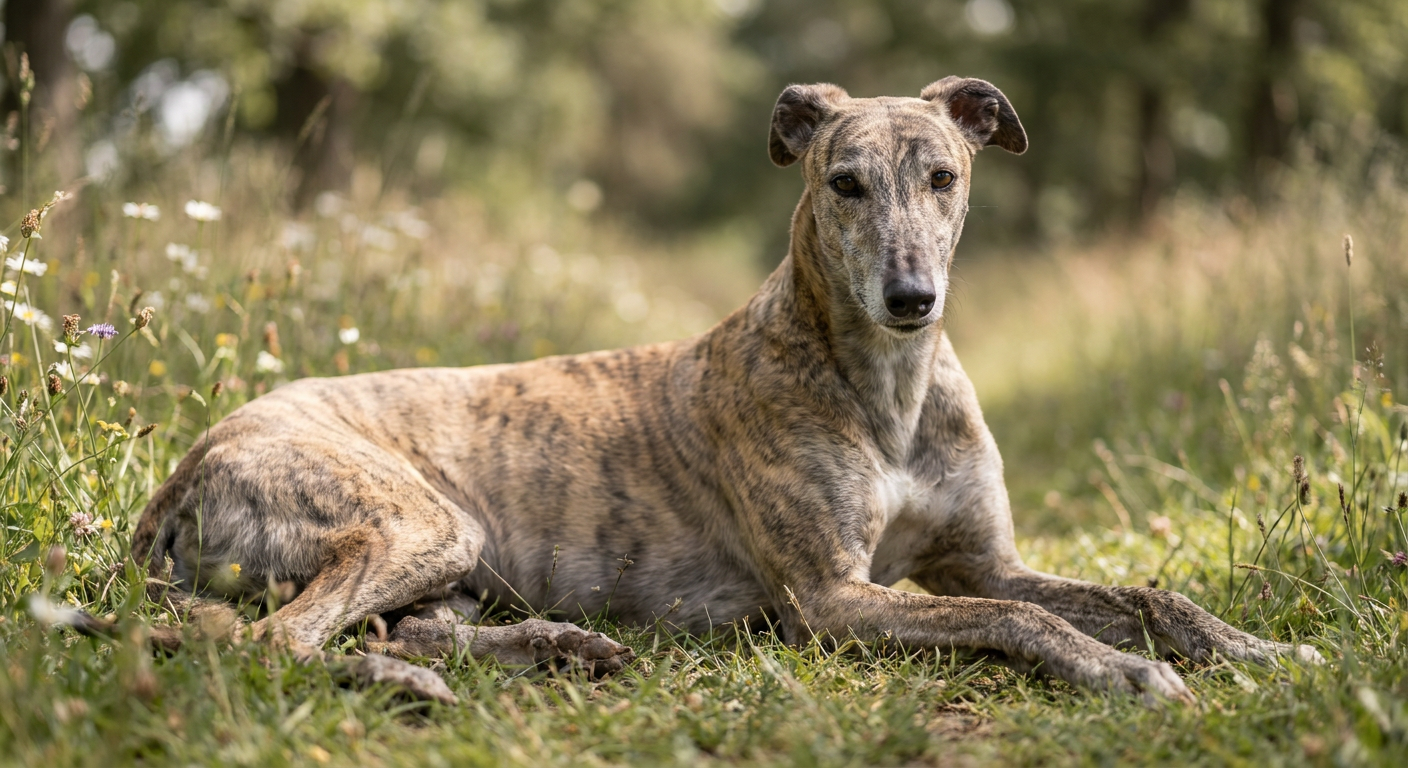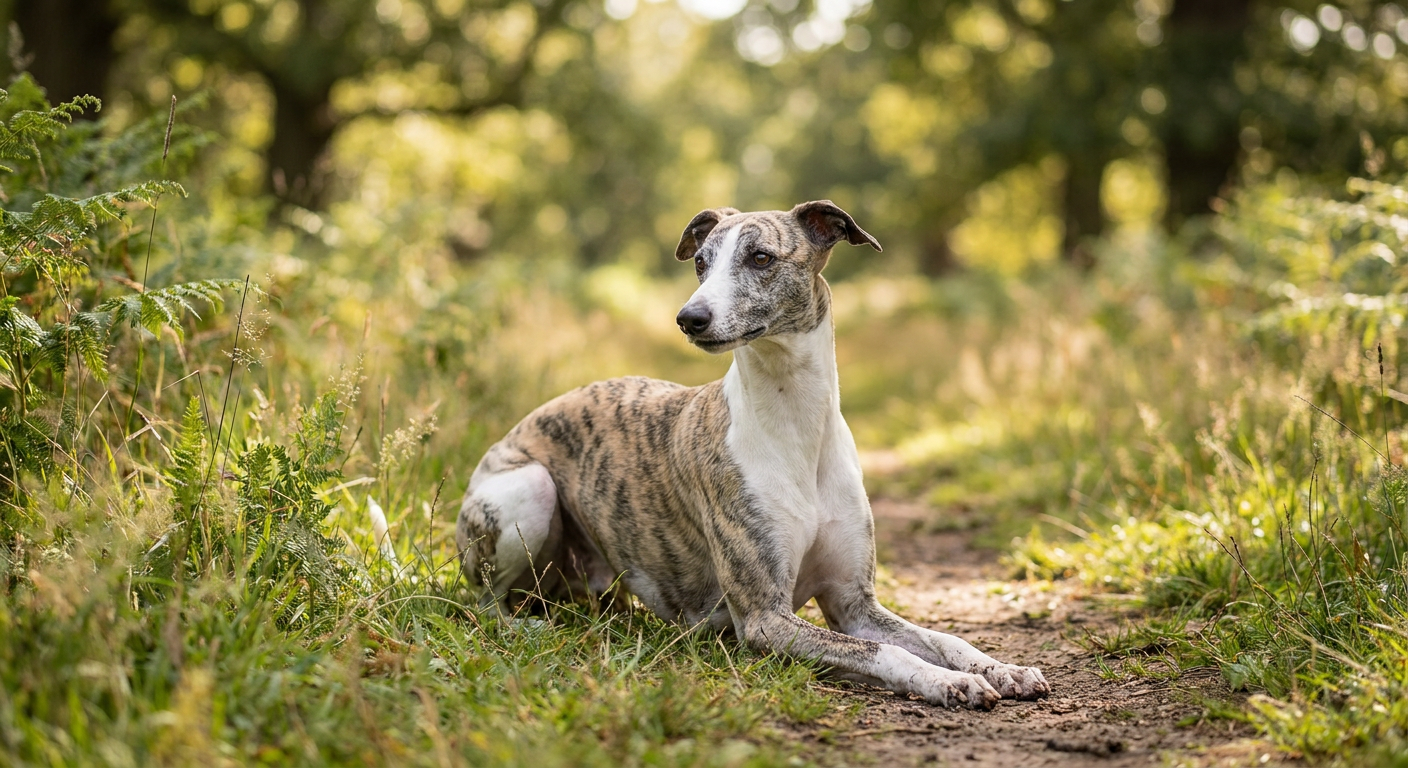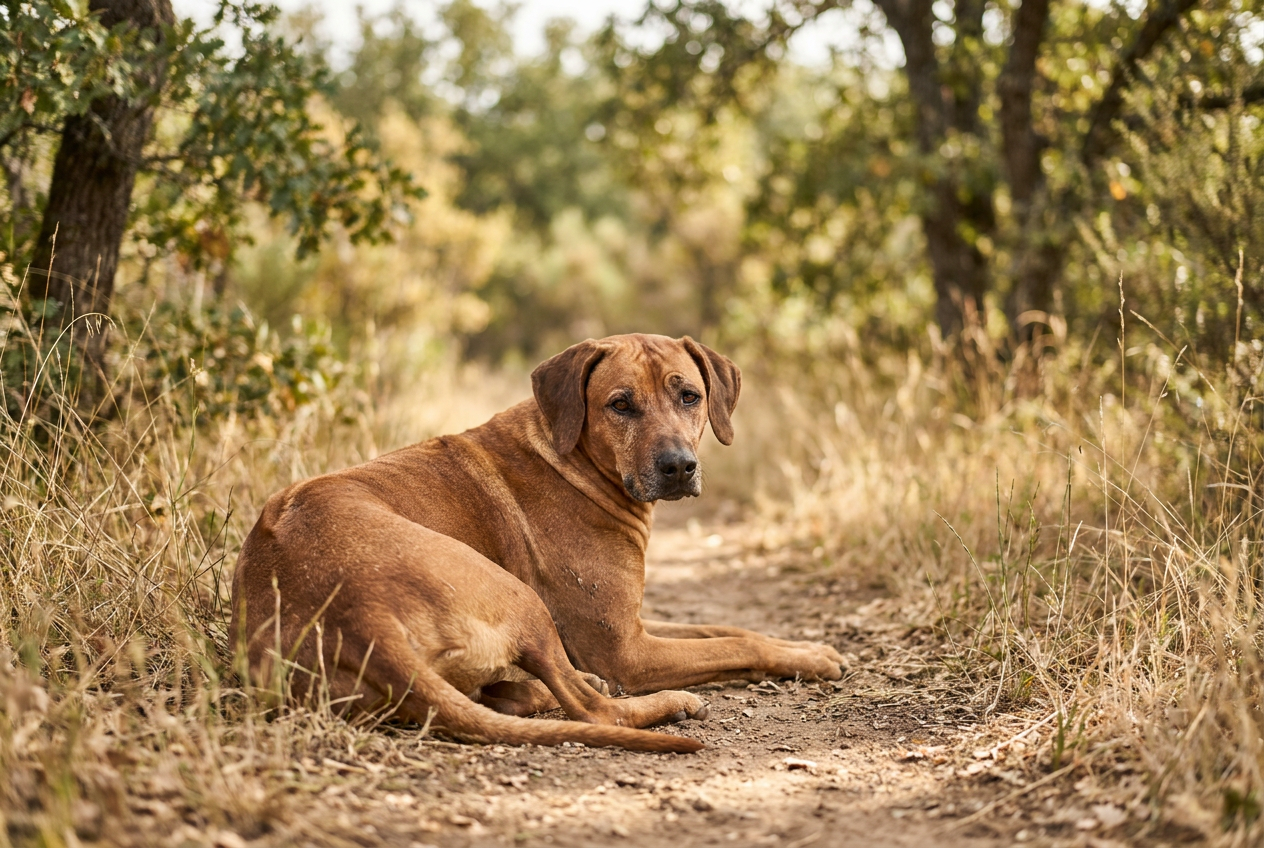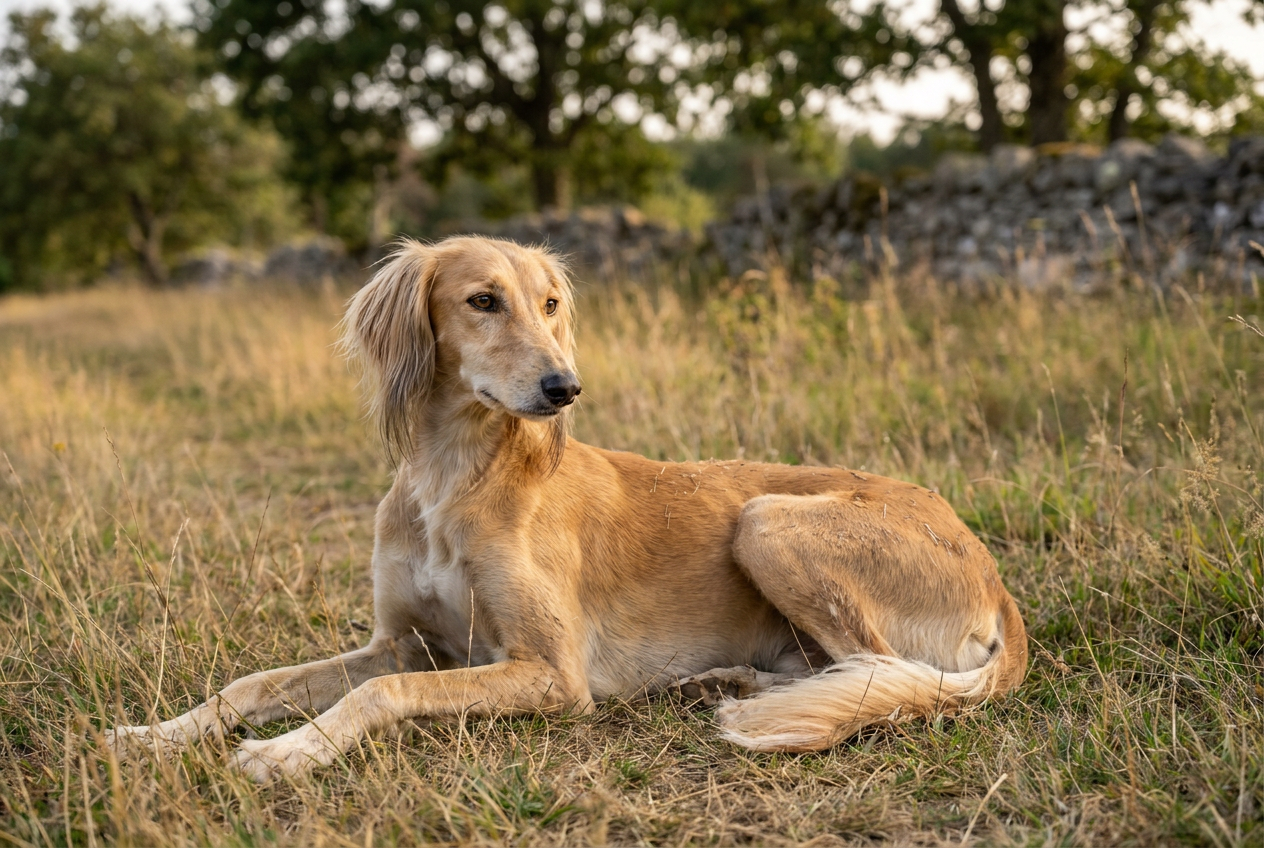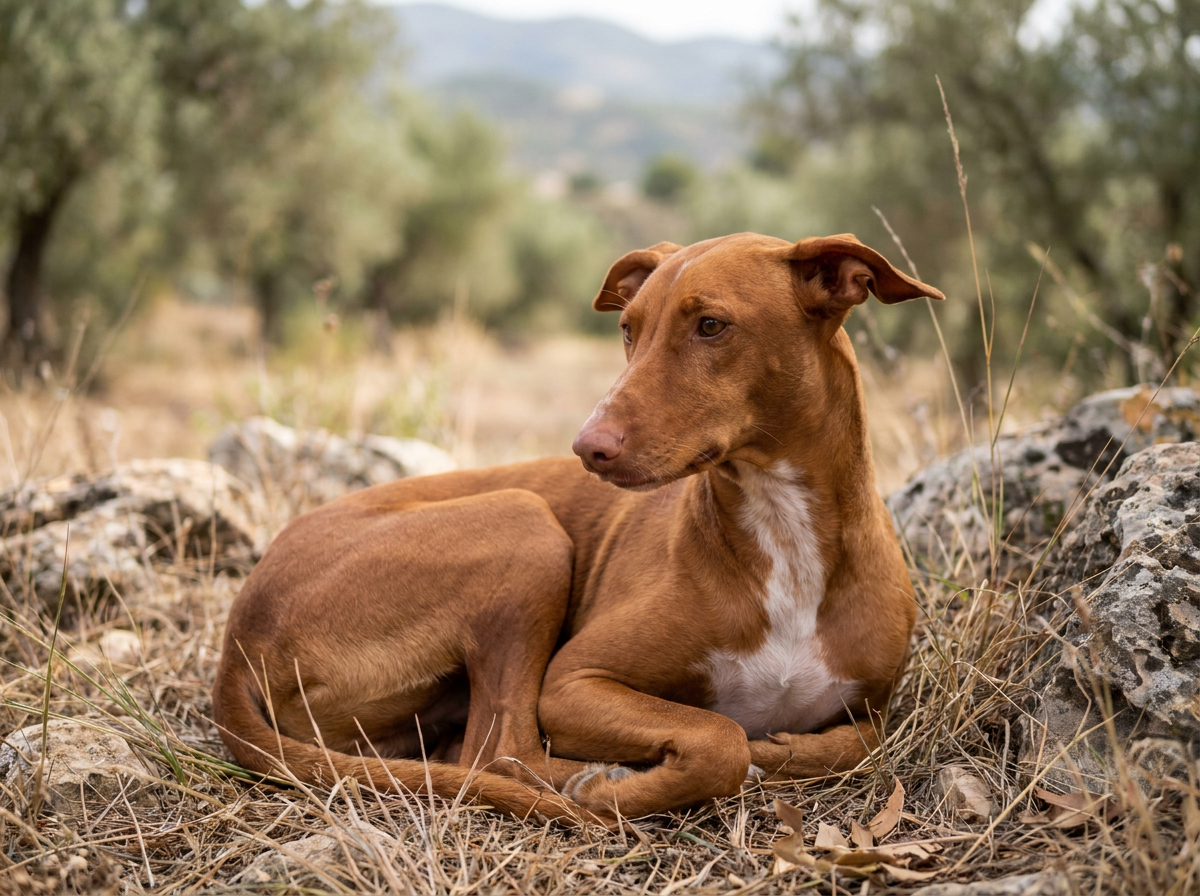
History & Origin
The Pharaoh Hound is one of the oldest domesticated dog breeds, with roots tracing back to ancient Egypt around 3000 B.C. They eventually were brought to Malta by Phoenician traders, where they were used for centuries as rabbit hunters. The breed was officially recognized by the AKC in 1983.
Temperament & Personality
The Pharaoh Hound is an elegant, intelligent, and independent athlete known for its unique ability to 'blush' when excited. While affectionate and loyal with family, they can be somewhat reserved with strangers. They are intensely vocal and possess a high prey drive, making them focused hunters. Indoor behavior is typically calm provided their physical needs are met.
Health Watchouts
Top conditions reported by AKC parent clubs, OFA, and the Merck Veterinary Manual. Discuss screening with your vet — especially before breeding or insuring.
Anesthesia Sensitivity
Common for breed typeA common sighthound sensitivity where they may react poorly to standard doses of certain anesthetic agents.
Screening: Pre-operative bloodwork and veterinary awareness
Hip Dysplasia
OccasionalA progressive condition where the hip joint fails to develop properly, leading to arthritis.
Screening: OFA or PennHIP X-rays
Hypothyroidism
ReportedA condition where the thyroid gland is underactive, affecting metabolism and coat health.
Screening: Blood thyroid panels (TgAA)
Gastric Dilatation-Volvulus (Bloat)
Low but possibleThough rare compared to larger breeds, their deep chests make them slightly more susceptible to life-threatening stomach twisting.
Screening: Preventative gastropexy (optional)
Exercise Needs
These active hounds require significant daily activity, ideally including opportunities to run at full speed. Because of their intense prey drive, they should never be off-leash in unenclosed areas.
- Off-leash running in secure, high-fenced areas
- Lure coursing competitions or practice
- Long brisk walks on a leash
- Agility or obedience trials
Nutrition
Daily calories: 1200–1500 kcal/day for active adults
Feed two measured meals daily to prevent bloat. Highly active individuals may require higher protein content during hunting or lure seasons.
Common allergens to watch: Beef, Dairy, Wheat.
⚠ Like most sighthounds, they should remain lean; ribs should be easily felt but not prominently visible.
Entertainment & Enrichment
High-prey-drive athletes that thrive on activities mimicking the chase and scent-tracking.
- Scent work or tracking games
- Lure coursing or lure-based chasing toys
- High-speed fetch in a fenced area
- Puzzle feeders to engage prey-drive instincts
Grooming & Coat Care
Low maintenance; a weekly brushing with a rubber mitt and occasional baths are sufficient. Keep nails trimmed short for foot health.
Training
Use positive reinforcement and high-value rewards, as they are sensitive to harsh corrections. Their independent sighthound nature means recall is never 100% reliable in the presence of prey.
Cost of Ownership
Lifetime cost depends on size, lifespan, and health risks. Try our Lifetime Cost Calculator →
Cost band for Pharaoh Hound: high.
How insurance, vet care & grooming connect for the Pharaoh Hound
These three costs move together. The Pharaoh Hound’s coat, energy, and breed-specific health watchouts shape each one — here’s how they line up.
Insurance band
Common hereditary conditions raise claim odds
Vet service load
High activity raises orthopedic & injury visits
Grooming demand
Low-maintenance coat — monthly bath and brush
Estimated monthly spend (typical adult)
Insurance
$85
Routine vet
$60
Grooming
$30
Combined estimate
~$175/mo(±20%, US averages)
* Estimates derived from breed traits (coat, energy, health watchouts, lifespan). Actual costs vary by location, age, and provider.
Living Situation Fit
They thrive in homes with large, securely fenced yards (at least 6 feet high). They are quiet indoor companions but require significant daily sprints to remain calm.
Choosing a Puppy
Look for breeders who perform hip and thyroid evaluations. Ensure the breeder allows you to meet the dam to assess the lineage's temperament, as shyness can be a trait in poorly socialized lines.
Frequently Asked Questions
Do they really blush?
Yes, the Pharaoh Hound is famous for 'blushing' when excited or happy; their ears and nose turn a deep rosy pink.
Are they safe with cats?
No, they are sighthounds with an extremely high prey drive. They will likely chase cats or small outdoor animals regardless of training.
Do they need winter coats?
They are sensitive to cold due to their thin coats and lack of body fat. Sweaters or coats are necessary during winter walks.