History & Origin
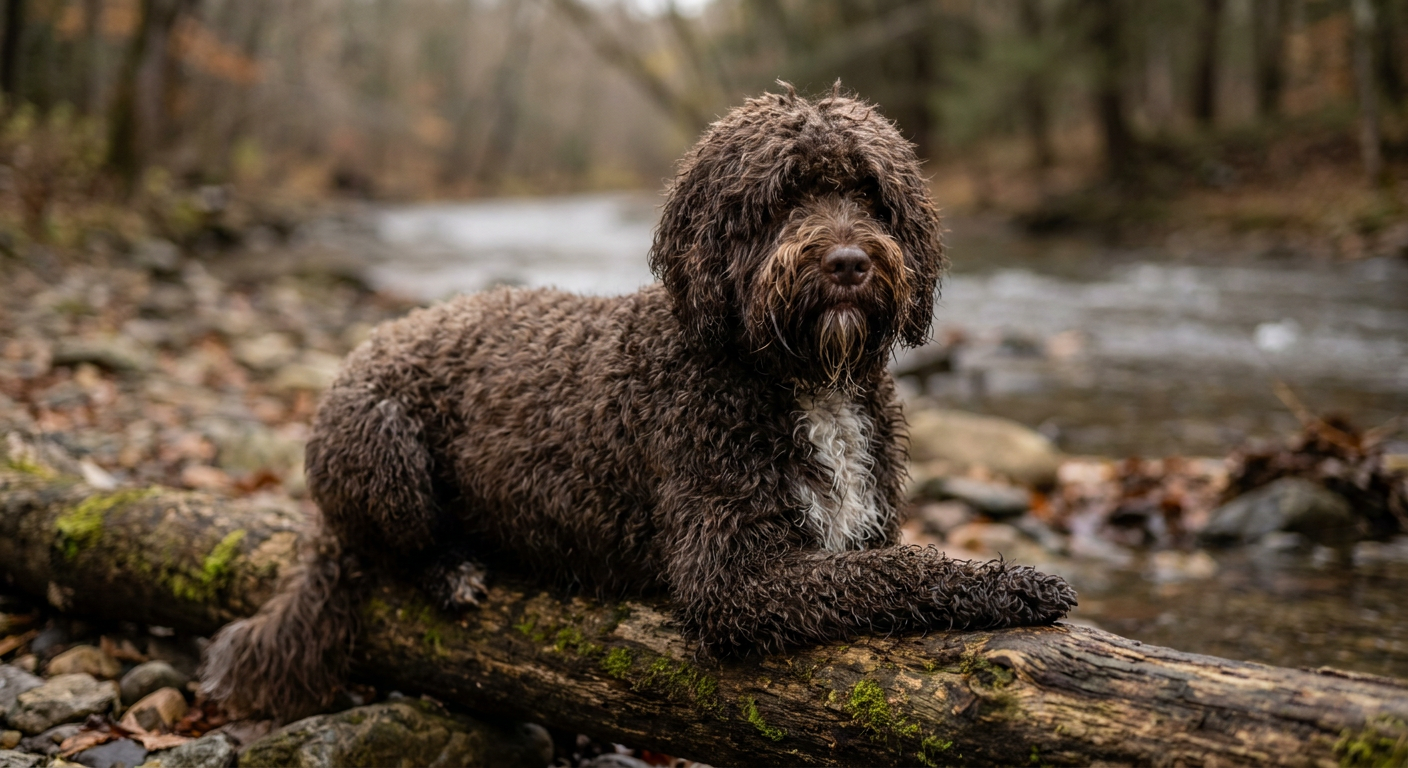
Developed along the coast of Portugal to herd fish into nets and deliver messages between ships, the breed dates back several centuries. By the early 20th century, modernization of fishing led to a decline, but Vasco Bensaude began a breeding program in the 1930s to preserve them. The breed gained AKC recognition in 1983.
Temperament & Personality
Athletic, intelligent, and spirited, these dogs are deeply loyal to their families. They possess a 'sense of humor' but can be demanding if their mental and physical needs aren't met. They are vocal and often 'talk' to their owners with a variety of multi-tonal sounds.
Health Watchouts
Top conditions reported by AKC parent clubs, OFA, and the Merck Veterinary Manual. Discuss screening with your vet — especially before breeding or insuring.
Hip Dysplasia
CommonA malformation of the hip joint that can lead to arthritis and mobility issues.
Screening: OFA or PennHip X-rays
Progressive Retinal Atrophy (prcd-PRA)
ModerateA degenerative eye disorder that leads to eventual blindness.
Screening: DNA Test (Optigen)
Juvenile Dilated Cardiomyopathy (JDCM)
Rare (with testing)A fatal heart condition affecting young puppies; DNA testing has significantly reduced its occurrence.
Screening: DNA Test
GM1 Gangliosidosis
Rare (with testing)A storage disease causing neurological decline and loss of motor control.
Screening: DNA Test
Exercise Needs
A high-energy working breed that requires vigorous daily activity to remain calm indoors.
- Swimming and water retrieval
- Long-distance hiking
- Agility trials and training
- Jogging or power walking
Nutrition
Daily calories: 1000-1400 kcal depending on activity level
Divide daily portions into two meals; monitor intake closely as high energy demands don't always prevent weight gain.
Common allergens to watch: Beef, Dairy, Wheat.
⚠ Excess weight significantly increases the risk of hip dysplasia complications.
Entertainment & Enrichment
These dogs require mental stimulation to prevent destructive behavior; they excel when given a 'job' that challenges their intellect and coordination.
- Dock diving or swimming sessions
- Advanced scent work or nose work games
- Interactive puzzle feeders and snuffle mats
- Learning complex multi-step tricks
- Retrieving toys from water or tall grass
Grooming & Coat Care
High maintenance; requires weekly brushing to prevent matting and professional grooming every 6-8 weeks for a 'lion' or 'retriever' clip.
Training
Highly capable but requires a firm, consistent hand; they are quick learners who may use their intelligence to manipulate situations if boundaries aren't clear.
Cost of Ownership
Lifetime cost depends on size, lifespan, and health risks. Try our Lifetime Cost Calculator →
Cost band for Portuguese Water Dog: high.
How insurance, vet care & grooming connect for the Portuguese Water Dog
These three costs move together. The Portuguese Water Dog’s coat, energy, and breed-specific health watchouts shape each one — here’s how they line up.
Insurance band
Common hereditary conditions raise claim odds
Vet service load
High activity raises orthopedic & injury visits
Grooming demand
Professional clipping every 6–8 weeks
Estimated monthly spend (typical adult)
Insurance
$85
Routine vet
$60
Grooming
$45
Combined estimate
~$190/mo(±20%, US averages)
* Estimates derived from breed traits (coat, energy, health watchouts, lifespan). Actual costs vary by location, age, and provider.
Living Situation Fit
They thrive in homes with large fenced yards and easy access to water. This breed is best suited for active families who can integrate the dog into daily outdoor activities.
Choosing a Puppy
Look for breeders who perform DNA testing for prcd-PRA and EOPRA, and ensure parents have OFA certifications for hips. Observe the litter for a puppy that is confident but not overly pushy.
Frequently Asked Questions
Are Portuguese Water Dogs hypoallergenic?
While they do not shed hair like many breeds, they are not truly 'hypoallergenic' as they still produce dander and saliva; however, many allergy sufferers tolerate them well.
Are they easy to train?
Yes, they are highly intelligent but can be independent; they require consistent, positive reinforcement and an owner who can stay one step ahead of them.
Do they get along with other dogs?
Usually, yes. They are generally friendly with other pets if socialized early, though their high energy can be overwhelming for smaller or more timid animals.