History & Origin
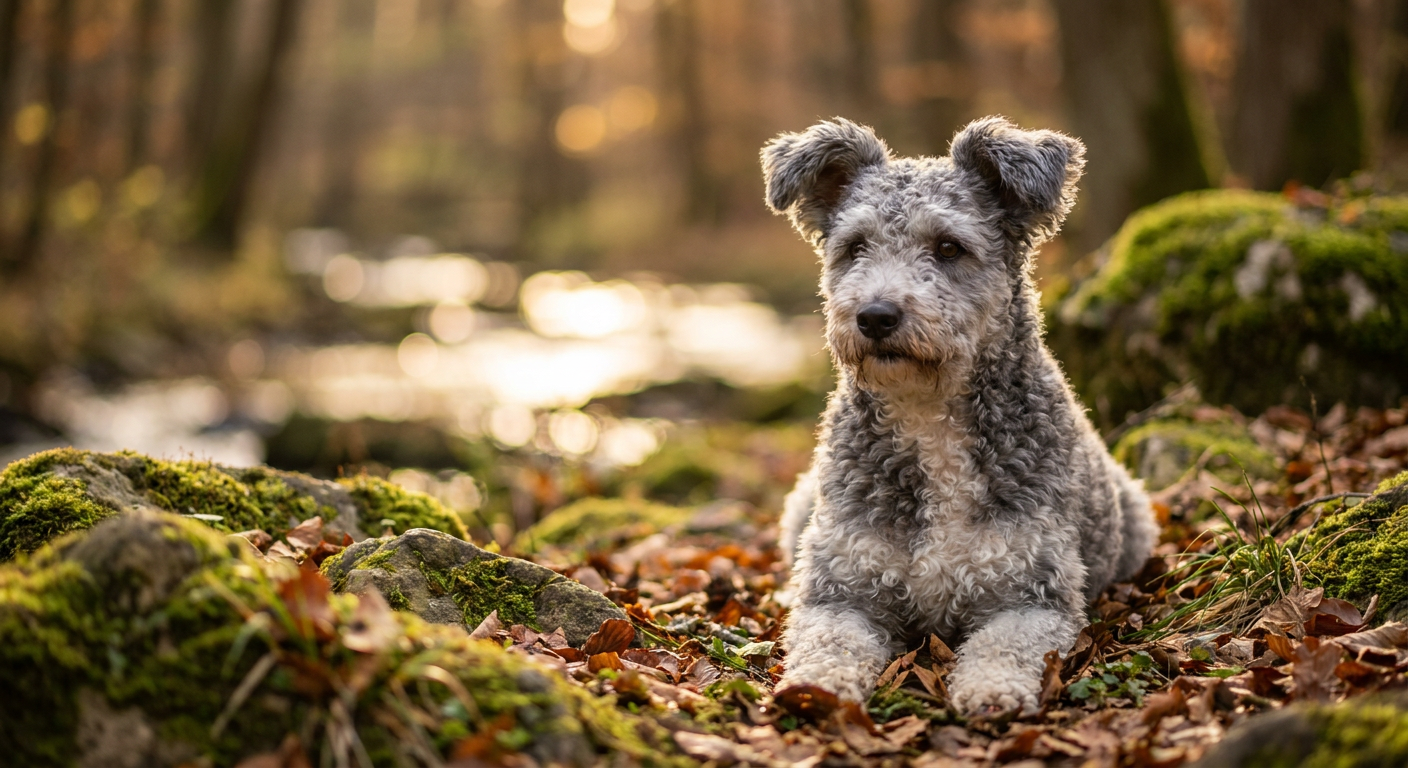
The Pumi originated in Hungary in the 17th and 18th centuries, evolving from the Puli and imported French/German herding dogs. They were developed as versatile 'community' dogs capable of herding cattle, sheep, and swine on small farms. The breed was officially recognized in Hungary in the 1920s and gained AKC recognition in 2016.
Temperament & Personality
The Pumi is whimsical, energetic, and exceptionally intelligent, often described as having a 'terrier-like' intensity within a herding dog's body. They are deeply devoted to their owners but can be wary of strangers if not properly socialized. This breed is quick to learn, highly expressive, and possesses an inherent need to stay busy.
Health Watchouts
Top conditions reported by AKC parent clubs, OFA, and the Merck Veterinary Manual. Discuss screening with your vet — especially before breeding or insuring.
Primary Lens Luxation (PLL)
Moderate (DNA test available)An inherited eye disorder where the fibers holding the lens in place weaken, potentially leading to glaucoma.
Screening: DNA Testing
Hip Dysplasia
OccasionalMalformation of the hip joints that can lead to arthritis and mobility issues.
Screening: OFA/PennHip Radiographs
Patellar Luxation
OccasionalA condition where the kneecap slips out of its normal groove.
Screening: OFA Physical Exam
Degenerative Myelopathy
Low to ModerateA progressive neurological disease affecting coordination and movement.
Screening: DNA Testing
Exercise Needs
Pumis are tireless workers that require vigorous daily physical activity and thrive when given a 'job' to perform.
- Off-leash hiking in secure areas.
- High-intensity fetch or frisbee sessions.
- Daily long walks with varied routes.
- Organized canine sports like flyball or agility.
Nutrition
Daily calories: 800-1000 kcal/day (varies by activity level)
Highly active working dogs may require higher protein intake. Use measured meals to prevent obesity.
Common allergens to watch: Beef, Dairy, Wheat.
⚠ Monitor weight closely; the dense coat can easily hide weight gain or loss.
Entertainment & Enrichment
This high-intelligence breed requires daily mental challenges to prevent boredom-induced barking or destructive digging.
- Scent work or nose games to utilize their keen senses.
- Herding trials or Treibball to satisfy instinctual drives.
- Interactive food puzzles to occupy their quick minds.
- Agility training to burn physical and mental energy simultaneously.
Grooming & Coat Care
Moderate maintenance; brush every 2-3 weeks to prevent mats, then wet the coat to reset curls. Professional clipping is required every few months.
Training
Extremely fast learners who respond best to positive reinforcement and variety. They can be independent thinkers, so keeping training sessions engaging and challenging is vital to prevent boredom.
Cost of Ownership
Lifetime cost depends on size, lifespan, and health risks. Try our Lifetime Cost Calculator →
Cost band for Pumi: medium.
How insurance, vet care & grooming connect for the Pumi
These three costs move together. The Pumi’s coat, energy, and breed-specific health watchouts shape each one — here’s how they line up.
Insurance band
Multiple breed-specific health watchouts
Vet service load
High activity raises orthopedic & injury visits
Grooming demand
Professional clipping every 6–8 weeks
Estimated monthly spend (typical adult)
Insurance
$75
Routine vet
$50
Grooming
$60
Combined estimate
~$185/mo(±20%, US averages)
* Estimates derived from breed traits (coat, energy, health watchouts, lifespan). Actual costs vary by location, age, and provider.
Living Situation Fit
Thrives in active households where they are treated as part of the family. They require a securely fenced yard but prioritize mental engagement over sheer acreage.
Choosing a Puppy
Seek breeders who perform DNA testing for PLL and provide OFA certificates for hips and patellas. Observe the litter's energy levels, as even'laid-back' Pumis require significant engagement.
Frequently Asked Questions
Do Pumis bark a lot?
Yes, the Pumi is known for being vocal. They use barking to communicate and alert, though this can be managed with consistent training from a young age.
How do you maintain the Pumi's curls?
The coat should be wetted and allowed to air-dry to encourage natural curls. Brushing should be done every few weeks followed by wetting the coat; never blow-dry the coat straight.
Are they suitable for apartment living?
While energetic, their medium size and ability to settle (if exercised) make them suitable for apartments, provided neighbors are tolerant of occasional barking.