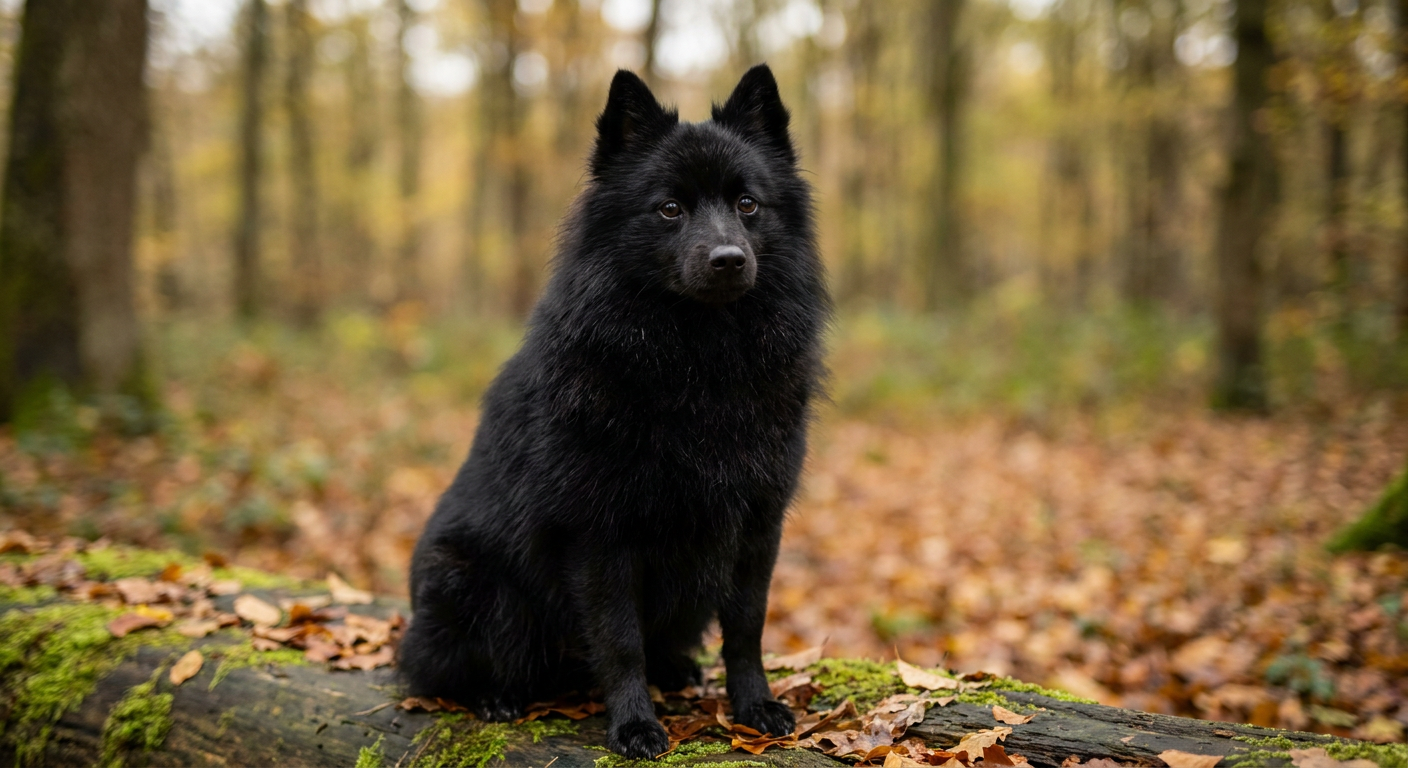
History & Origin
Originating in the Flemish regions of Belgium in the 1600s, this breed descended from the Leauvenaar, a black sheepdog. They gained fame as 'little captains' (Schipperke) serving as watchdogs and ratters on canal barges. The breed was officially recognized in Belgium in 1888 and later became popular globally for their alert nature.
Temperament & Personality
Alert, curious, and intensely devoted, the Schipperke is often described as 'mischievous.' They are natural watchdogs who are wary of strangers and protective of their domain. This breed is high-energy and requires a firm, consistent owner to manage their independent streak.
Health Watchouts
Top conditions reported by AKC parent clubs, OFA, and the Merck Veterinary Manual. Discuss screening with your vet — especially before breeding or insuring.
Mucopolysaccharidosis Type IIIB (MPS IIIB)
Rare but seriousA fatal, breed-specific metabolic disorder affecting the storage of complex sugars in cells.
Screening: DNA Genetic Test
Patellar Luxation
ModerateDisplacement of the kneecap, common in small breeds, which can lead to lameness and arthritis.
Screening: Veterinary physical exam (OFA)
Legg-Calve-Perthes Disease
Low to ModerateA condition where the head of the femur spontaneously begins to degenerate, leading to hip collapse.
Screening: Pelvic X-rays
Hypothyroidism
ModerateInsufficient production of thyroid hormone, leading to weight gain, skin issues, and lethargy.
Screening: Blood serum thyroid panel (TgAA)
Exercise Needs
Despite their size, these dogs have high energy levels and require at least an hour of vigorous activity daily to remain calm indoors.
- Brisk daily walks on leash
- Off-leash play in a securely fenced area
- Agility or rally trials
- Hiking on varied terrain
Nutrition
Daily calories: 400-600 kcal/day depending on activity level
Measure meals strictly; this breed can easily become overweight, which puts undue stress on their joints.
Common allergens to watch: Beef, Chicken, Dairy.
⚠ Monitor the waistline closely; you should be able to feel the ribs without a thick layer of fat.
Entertainment & Enrichment
This highly intelligent breed needs mental challenges to prevent boredom-induced mischief; they thrive on tasks that mimic their historical work as guards and vermin hunters.
- Scent work or nose games
- High-speed fetch sessions
- Interactive food puzzles
- Agility or flyball training
- Teaching complex multi-step tricks
Grooming & Coat Care
Weekly brushing is sufficient most of the year, but they require daily brushing during seasonal 'blow outs' of the undercoat. No professional trimming is required.
Training
They are quick learners but can be independent and stubborn; positive reinforcement and variety in training sessions are necessary to keep them engaged. Early socialization is critical to manage their natural wariness of strangers and other dogs.
Cost of Ownership
Lifetime cost depends on size, lifespan, and health risks. Try our Lifetime Cost Calculator →
Cost band for Schipperke: medium.
How insurance, vet care & grooming connect for the Schipperke
These three costs move together. The Schipperke’s coat, energy, and breed-specific health watchouts shape each one — here’s how they line up.
Insurance band
Multiple breed-specific health watchouts
Vet service load
High activity raises orthopedic & injury visits
Grooming demand
Double coat sheds seasonally — frequent brushing
Estimated monthly spend (typical adult)
Insurance
$60
Routine vet
$60
Grooming
$75
Combined estimate
~$195/mo(±20%, US averages)
* Estimates derived from breed traits (coat, energy, health watchouts, lifespan). Actual costs vary by location, age, and provider.
Living Situation Fit
They adapt well to apartment living if provided with significant daily exercise, but a securely fenced yard is ideal due to their high prey drive. They must remain leashed in unfenced areas as they are prone to chasing small animals.
Choosing a Puppy
Look for breeders who perform MPS IIIB DNA testing on all breeding stock. Inquire about parental OFA clearances for hips, knees, and thyroid health to ensure a sound foundation.
Frequently Asked Questions
Are Schipperkes good with children?
While they are generally good with children in their own family, their high energy and 'bossy' nature may be overwhelming for toddlers; supervision is always recommended.
Do Schipperkes bark a lot?
Yes, they were bred as watchdogs and will bark to alert owners of any perceived intrusion or change in their environment. Training 'quiet' commands early is essential.
What is the average lifespan of a Schipperke?
They are generally hardy and often live into their mid-teens, with some reaching 15 or 16 years with proper care and nutrition.