History & Origin
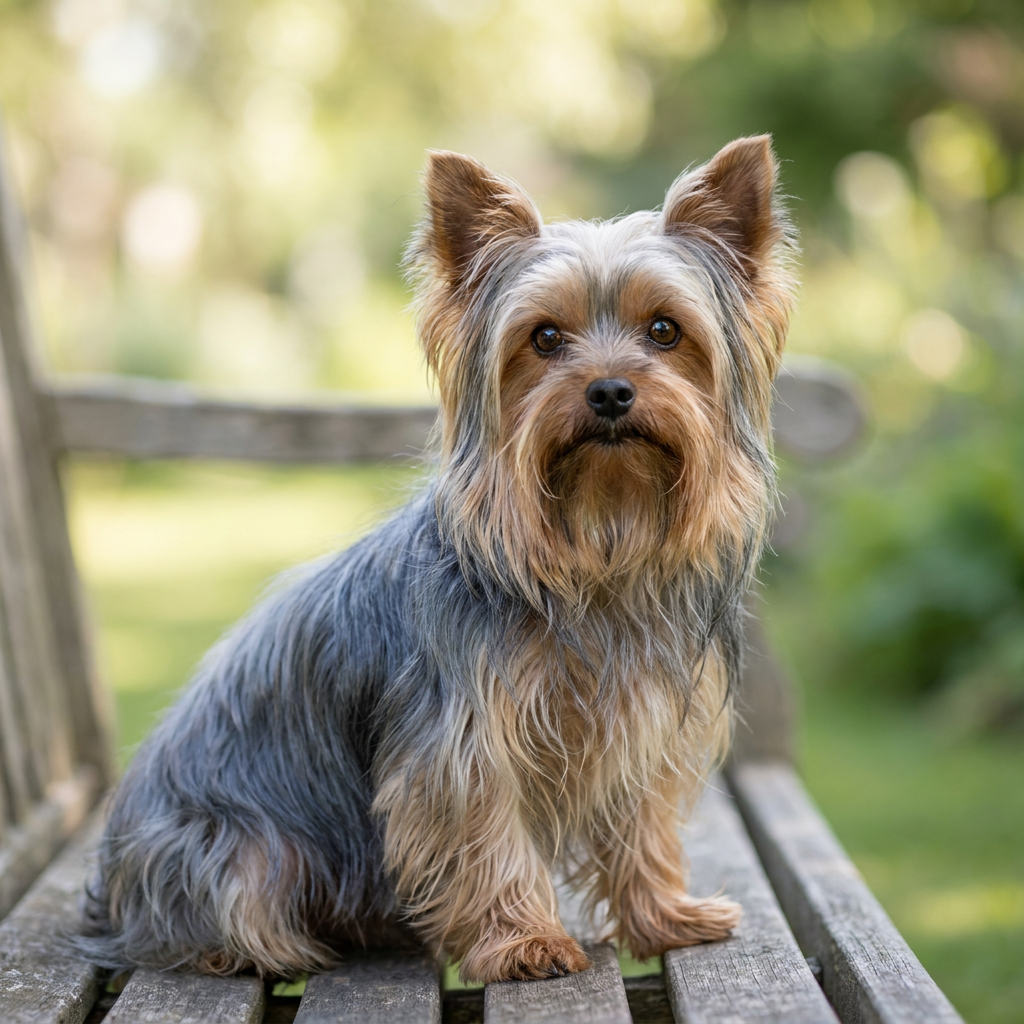
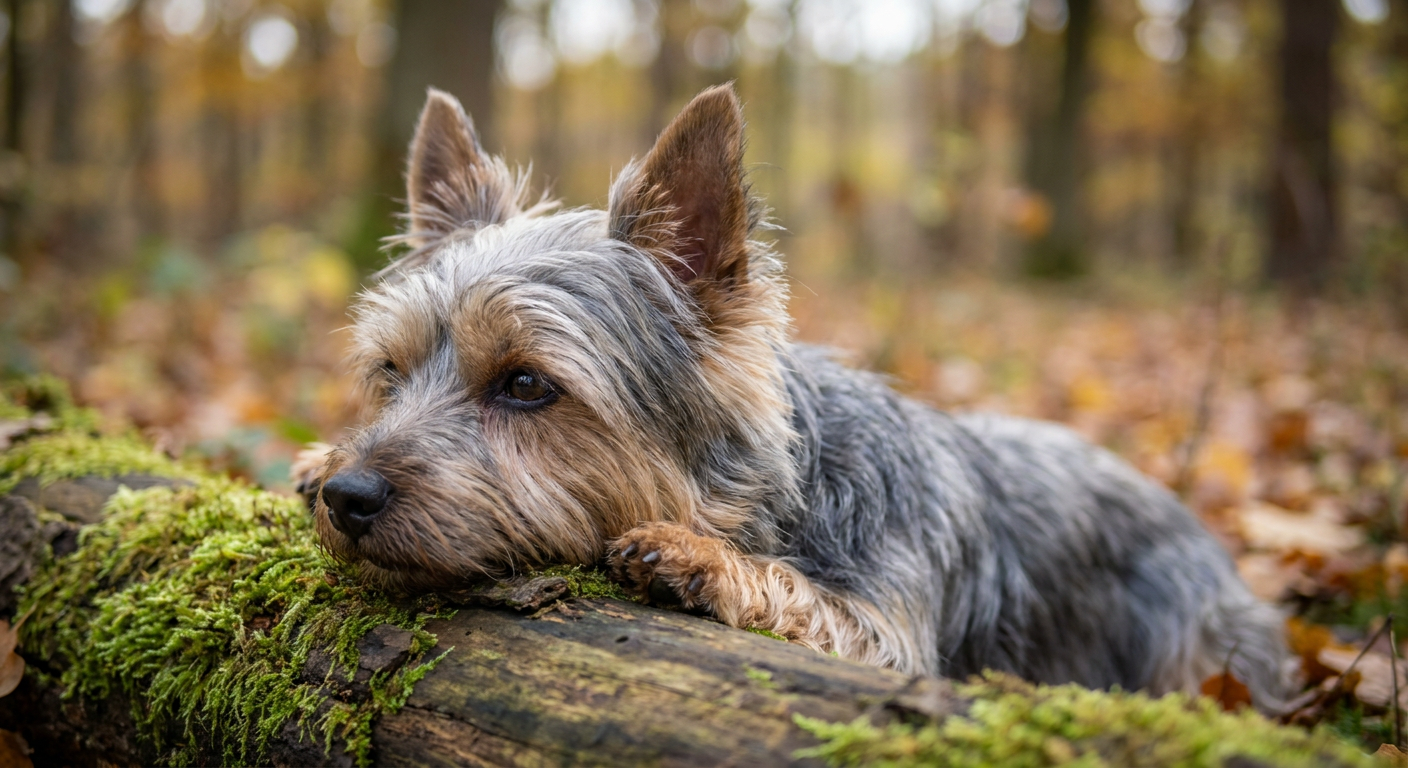
Developed in 19th-century Australia, this breed was created by crossing imported Yorkshire Terriers with native Australian Terriers. Originally tasked with killing rodents, they were refined to be refined companions while retaining their working roots. The breed was officially recognized by the AKC in 1959.
Temperament & Personality
Spirited, alert, and more assertive than many toy dogs, the Silky Terrier possesses a true 'big dog' personality. They are deeply devoted to their owners and prefer being involved in family activities rather than sitting on a lap all day. While affectionate, they can be cautious with strangers and possessive of their toys.
Health Watchouts
Top conditions reported by AKC parent clubs, OFA, and the Merck Veterinary Manual. Discuss screening with your vet — especially before breeding or insuring.
Legg-Calve-Perthes Disease
ModerateA hereditary condition where the head of the femur spontaneously begins to degenerate, leading to arthritis.
Screening: Hip X-rays/Radiographs
Patellar Luxation
HighA condition where the kneecap slips out of its groove, common in small breeds.
Screening: Physical Examination by Vet
Tracheal Collapse
ModeratePartial collapse of the tracheal rings, leading to a 'honking' cough.
Screening: Clinical symptoms / X-rays
Progressive Retinal Atrophy (PRA)
Low to ModerateThe gradual degeneration of the retina, eventually leading to blindness.
Screening: OFA Eye Exam (CAER)
Exercise Needs
Despite their size, they require daily vigorous activity to satisfy their terrier instincts and high energy levels.
- Leashed neighborhood walks
- Backyard fetch with small balls
- Indoor hide-and-seek games
- Short hikes on well-maintained trails
Nutrition
Daily calories: 350-450 kcal/day
High-quality small-breed kibble helps maintain dental health. Avoid overfeeding as weight gain puts excessive stress on small joints.
Common allergens to watch: Beef, Dairy, Wheat.
⚠ Propensity for obesity if treats aren't monitored.
Entertainment & Enrichment
Mental stimulation is vital to prevent boredom-based digging or barking in this sharp-witted terrier.
- Hide-and-seek with pungent treats
- Short, fast-paced flirt pole sessions
- Introductory agility tunnels and jumps
- Food-dispensing puzzle toys
Grooming & Coat Care
Daily brushing is required to prevent tangles; monthly baths and regular trimming of hair between paw pads are necessary.
Training
Short, positive reinforcement sessions work best; they are quick learners but can be stubborn. Early socialization is critical to manage their natural tendency to be vocal.
Cost of Ownership
Lifetime cost depends on size, lifespan, and health risks. Try our Lifetime Cost Calculator →
Cost band for Silky Terrier: medium.
How insurance, vet care & grooming connect for the Silky Terrier
These three costs move together. The Silky Terrier’s coat, energy, and breed-specific health watchouts shape each one — here’s how they line up.
Insurance band
Common hereditary conditions raise claim odds
Vet service load
High activity raises orthopedic & injury visits
Grooming demand
Professional clipping every 6–8 weeks
Estimated monthly spend (typical adult)
Insurance
$75
Routine vet
$50
Grooming
$60
Combined estimate
~$185/mo(±20%, US averages)
* Estimates derived from breed traits (coat, energy, health watchouts, lifespan). Actual costs vary by location, age, and provider.
Living Situation Fit
They thrive in apartments if given adequate mental and physical stimulation outdoors. A secure fence is mandatory, as their terrier drive makes them prone to bolting after small wildlife.
Choosing a Puppy
Select breeders who test for Patellar Luxation and Legg-Calve-Perthes disease. Ensure the puppy is outgoing and the breeder provides proof of OFA eye examinations for the parents.
Frequently Asked Questions
How does a Silky Terrier differ from a Yorkshire Terrier?
While both have blue and tan coats, the Silky is larger, has a wedge-shaped head, and a more rugged terrier disposition compared to the Yorkie's lapdog origins.
Are they high maintenance dogs?
They are low shedders, but they require daily brushing to prevent painful mats and tangles in their fair, hair-like coat.
Do Silky Terriers have a high prey drive?
Yes, they retain a strong prey drive and will likely chase small sanctuary animals like hamsters or loose cats.