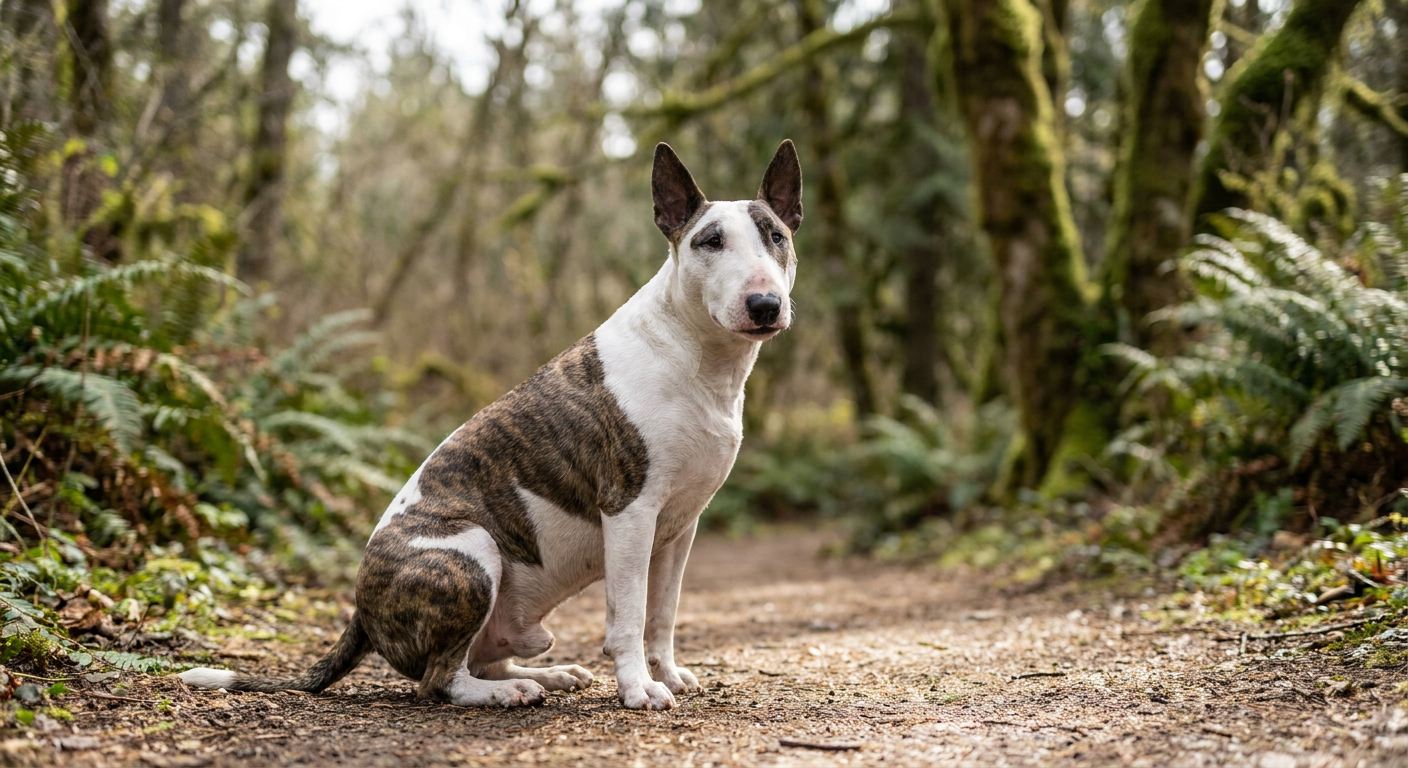
History & Origin
Developed in England during the late 18th century, the breed was used to 'bolt' foxes from their dens during hunts. Standardized by the mid-19th century, it was one of the first breeds recognized by the AKC in 1885. While once grouped with the Wire Fox Terrier, they have been recognized as separate breeds since 1985.
Temperament & Personality
Bold, energetic, and highly inquisitive, the Smooth Fox Terrier is a quintessential terrier. They are famously friendly with their families but possess a sharp, independent streak and a formidable prey drive. These dogs are constantly alert and ready for action, often displaying a playful, almost mischievous sense of humor. Robust and sturdy, they are typically confident around strangers and other dogs.
Health Watchouts
Top conditions reported by AKC parent clubs, OFA, and the Merck Veterinary Manual. Discuss screening with your vet — especially before breeding or insuring.
Primary Lens Luxation (PLL)
Moderate within the breed.An inherited condition leading to the displacement of the eye lens, which can cause painful glaucoma and blindness.
Screening: DNA test available.
Legg-Calvé-Perthes Disease
Occasional in small breeds.A degenerative hip condition where the head of the femur spontaneously begins to die, leading to arthritis.
Screening: Radiographs (X-rays).
Patellar Luxation
Common in small terriers.A condition where the kneecap slips out of its groove, causing intermittent limping or a 'hopping' gait.
Screening: Physical examination by a vet.
Congenital Sensorineural Deafness
Low but documented.Congenital deafness can occur, particularly in dogs with a high percentage of white in their coat.
Screening: BAER testing.
Exercise Needs
A high-energy breed that needs multiple vigorous activity sessions daily to maintain physical and mental health.
- Long, brisk leashed walks.
- Off-leash play in a securely fenced area.
- Agility or flyball training.
- Interactive fetch sessions.
Nutrition
Daily calories: 600-800 kcal/day (adult average)
Divide daily rations into two meals to prevent bloat and manage energy levels. Monitor calorie intake closely as they can be prone to obesity.
Common allergens to watch: Beef, Dairy, Wheat.
⚠ Obesity can exacerbate joint issues like patellar luxation; ensure a visible waistline is maintained.
Entertainment & Enrichment
These are highly intelligent dogs that require mental stimulation to prevent destructive behaviors born from boredom.
- Earthdog trials or scent work games.
- Complex puzzle feeders that satisfy their problem-solving nature.
- High-intensity flirt pole sessions.
- Digging pits to provide a safe outlet for natural instincts.
- Hide-and-seek with high-value treats.
- Teaching 'find it' games in the backyard.
Grooming & Coat Care
Low maintenance; require weekly brushing and occasional bathing. Regular nail trims and ear cleaning are essential.
Training
Requires firm, consistent, and positive reinforcement-based training. Their intelligence means they learn quickly but can become bored with repetitive tasks, necessitating varied and engaging training sessions.
Cost of Ownership
Lifetime cost depends on size, lifespan, and health risks. Try our Lifetime Cost Calculator →
Cost band for Smooth Fox Terrier: medium.
How insurance, vet care & grooming connect for the Smooth Fox Terrier
These three costs move together. The Smooth Fox Terrier’s coat, energy, and breed-specific health watchouts shape each one — here’s how they line up.
Insurance band
Common hereditary conditions raise claim odds
Vet service load
High activity raises orthopedic & injury visits
Grooming demand
Low-maintenance coat — monthly bath and brush
Estimated monthly spend (typical adult)
Insurance
$75
Routine vet
$50
Grooming
$45
Combined estimate
~$170/mo(±20%, US averages)
* Estimates derived from breed traits (coat, energy, health watchouts, lifespan). Actual costs vary by location, age, and provider.
Living Situation Fit
Ideally suited for active households with a securely fenced yard. They can adapt to apartment living if given significant daily aerobic exercise and mental stimulation.
Choosing a Puppy
Seek breeders who provide BAER (hearing) and PLL (eye) test results for both parents. Observe the litter to find a puppy that is curious and bold but not overly aggressive with its siblings.
Frequently Asked Questions
Do Smooth Fox Terriers shed a lot?
While they shed year-round, the hair is short. Weekly brushing with a firm bristle brush or grooming mitt helps minimize loose hair in the home.
Are they good with other pets?
Generally no. They have a high prey drive and may view smaller animals like cats or hamsters as quarry unless raised with them under very close supervision.
Do Smooth Fox Terriers bark a lot?
They are vocal dogs that use barking to alert owners of strangers or excitement. Consistent training is needed to prevent excessive barking.