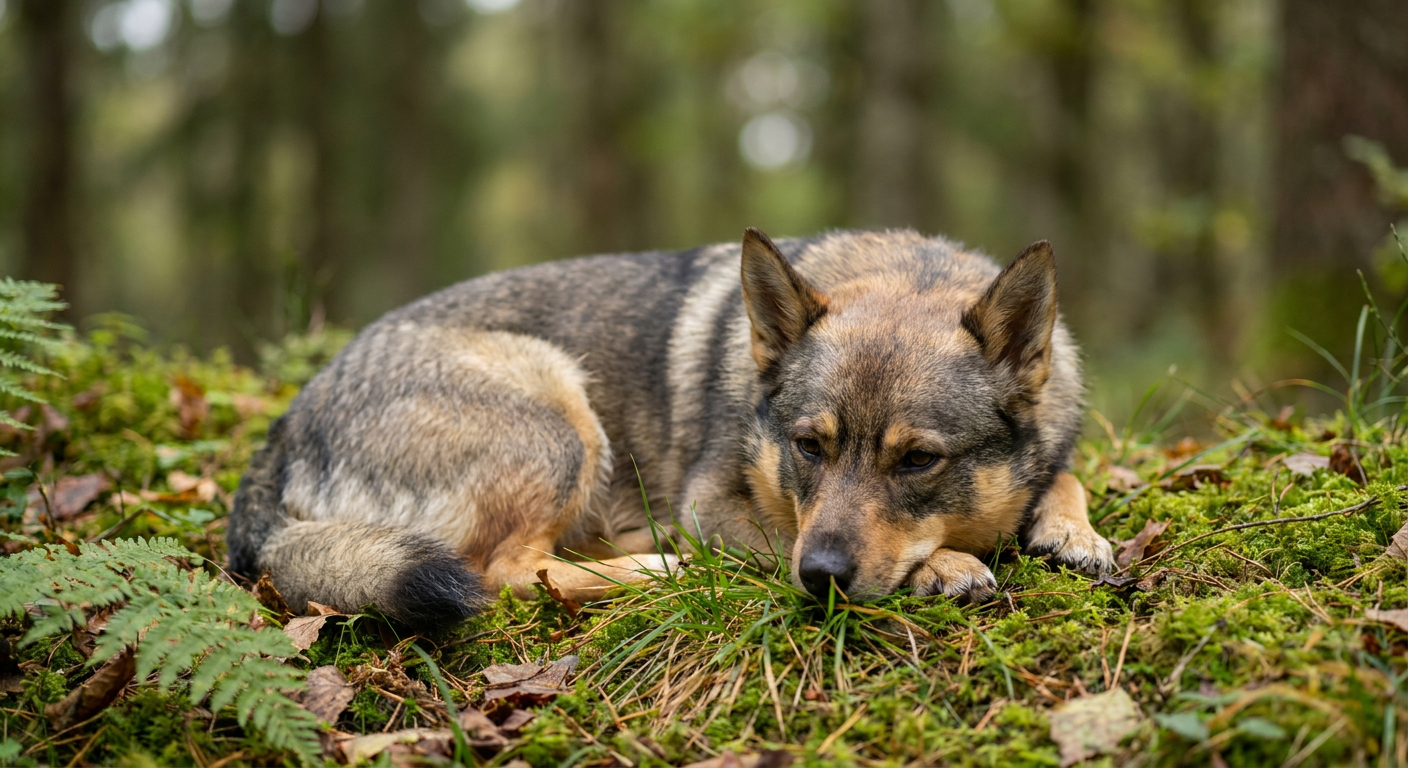
History & Origin
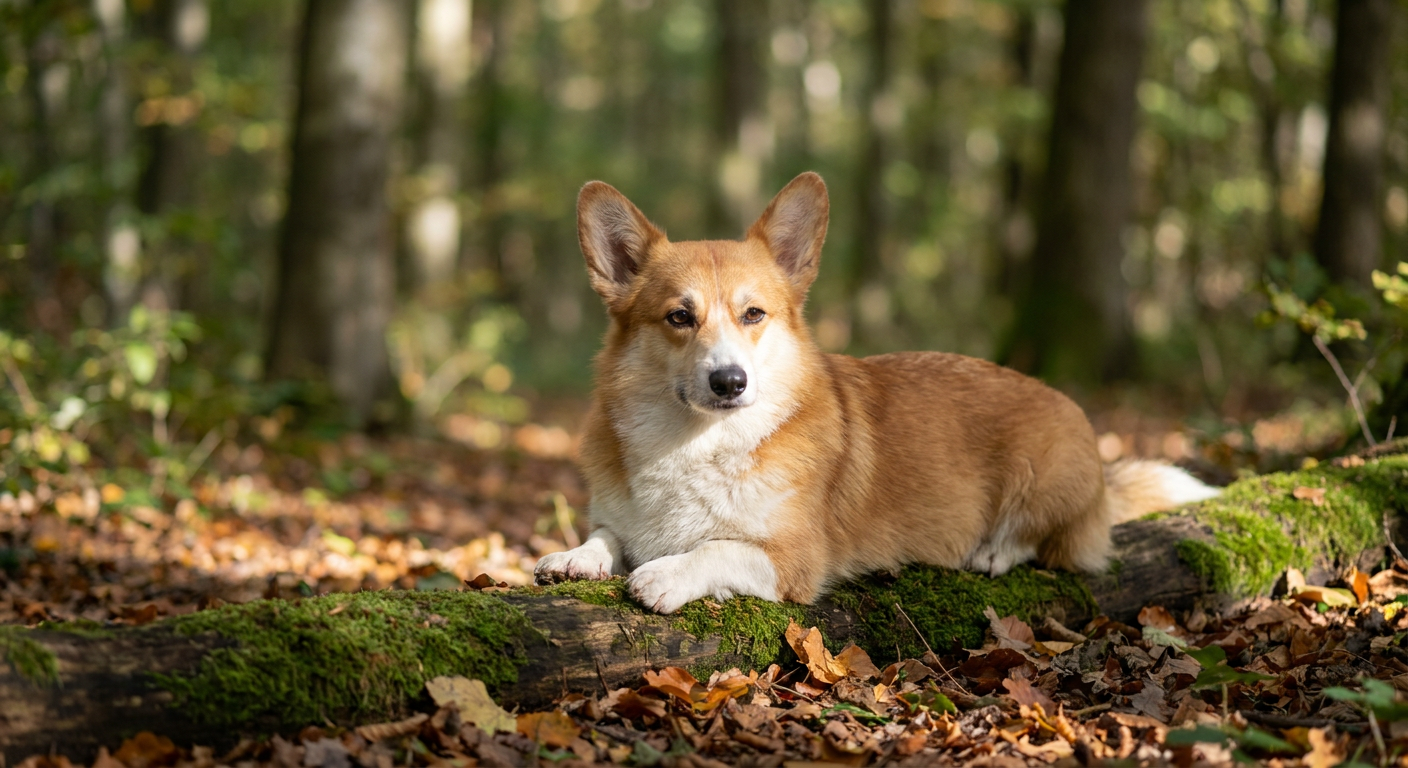
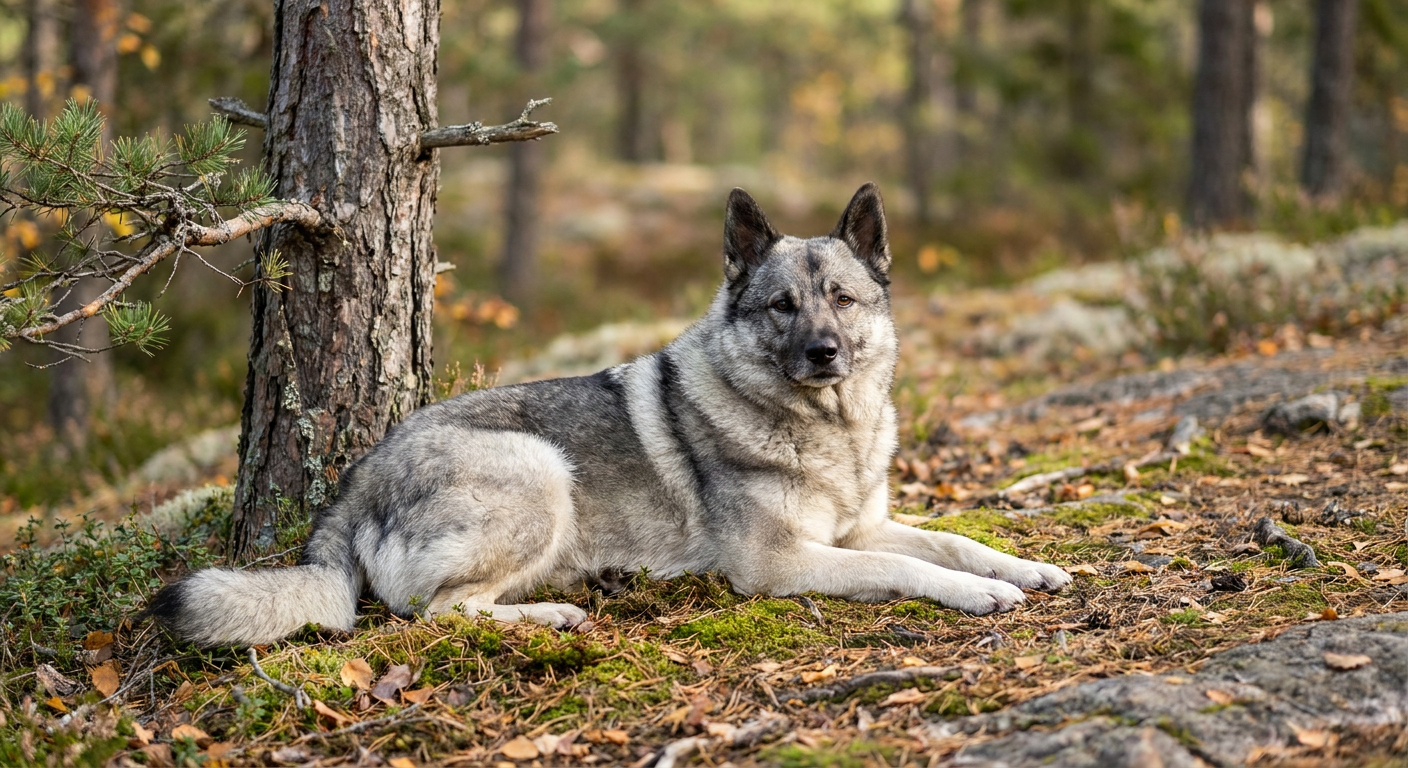
The Swedish Vallhund, or 'Västgötaspets,' dates back over 1,000 years to the Viking era where they served as versatile farm and cattle dogs. The breed faced extinction in the 1940s but was revived by Count Björn von Rosen and Karl-Gustaf Zetterstén. They were officially recognized by the AKC in 2007.
Temperament & Personality
Highly intelligent, energetic, and watchful with a spirited 'big dog' personality. They are intensely loyal to their families and often display a sense of humor, though they may attempt to herd children or other pets by nipping at heels. Early socialization is key to managing their natural alertness around strangers and strange dogs.
Health Watchouts
Top conditions reported by AKC parent clubs, OFA, and the Merck Veterinary Manual. Discuss screening with your vet — especially before breeding or insuring.
Swedish Vallhund Retinopathy
Moderate/Specific to breedA breed-specific inherited eye disease that causes gradual vision loss and can lead to blindness.
Screening: DNA Testing/OFA Eye Exam
Hip Dysplasia
Common in herding breedsMalformation of the hip joint that can lead to arthritis and mobility issues.
Screening: OFA or PennHIP Radiographs
Patellar Luxation
OccasionalA condition where the kneecap slips out of its normal groove.
Screening: Physical Examination by Vet
Ocular Disorders
Low to ModerateVarious hereditary eye issues including cataracts or distichiasis.
Screening: Annual CAER exam
Exercise Needs
Despite their short legs, these are high-stamina athletes requiring at least an hour of vigorous activity daily. Owners should provide a mix of physical exertion and cognitive challenges.
- Long daily walks or jogs
- Agility or flyball training
- Hiking on varied terrain
- Off-leash play in a secure area
Nutrition
Daily calories: 700-900 kcal/day (adult average)
Feed a high-quality, age-appropriate diet split into two meals. Monitor calorie intake closely as their long backs are sensitive to weight gain.
Common allergens to watch: Beef, Dairy, Wheat.
⚠ Excess weight significantly increases the risk of spinal issues and joint stress.
Entertainment & Enrichment
As a working breed, they require mental stimulation to prevent destructive barking or nipping. They thrive on tasks that mimic their historical herding roles.
- Herding trials or Treibball
- Complex food puzzles and snuffle mats
- Scent work and tracking exercises
- Advanced obedience training sessions
- High-speed fetch or flirt pole play
Grooming & Coat Care
Weekly brushing is sufficient to remove dead hair, increasing to daily during seasonal shedding periods. They carry little 'doggy odor' and only require occasional baths. Keep nails short to support their compact feet.
Training
Highly trainable and eager to please, though they possess an independent streak. Use positive reinforcement techniques; they respond poorly to harsh corrections. Focus on 'quiet' commands and redirected herding behaviors early in life.
Cost of Ownership
Lifetime cost depends on size, lifespan, and health risks. Try our Lifetime Cost Calculator →
Cost band for Swedish Vallhund: medium.
How insurance, vet care & grooming connect for the Swedish Vallhund
These three costs move together. The Swedish Vallhund’s coat, energy, and breed-specific health watchouts shape each one — here’s how they line up.
Insurance band
Common hereditary conditions raise claim odds
Vet service load
High activity raises orthopedic & injury visits
Grooming demand
Double coat sheds seasonally — frequent brushing
Estimated monthly spend (typical adult)
Insurance
$75
Routine vet
$60
Grooming
$75
Combined estimate
~$210/mo(±20%, US averages)
* Estimates derived from breed traits (coat, energy, health watchouts, lifespan). Actual costs vary by location, age, and provider.
Living Situation Fit
They adapt well to apartments if exercised vigorously, but a home with a yard is ideal. They prefer being 'at work' with their owners and can be wary of strangers if not socialized early.
Choosing a Puppy
Look for breeders who perform OFA eye exams and hip evaluations. Observe the dam's temperament, as Vallhunds should be confident rather than shy or sharp. Ensure the breeder provides documentation for the breed-specific retinopathy DNA test.
Frequently Asked Questions
Is the Swedish Vallhund related to the Corgi?
While they share a similar 'dwarf' phenotype and herding history, the Vallhund is a distinct Swedish breed. They are generally more leggy and athletic than the Corgi, with different ear and tail shapes.
Do they bark a lot?
Yes, Vallhunds are known 'vocal' dogs. They use a range of barks, 'yaps,' and 'howls' to communicate and herd, so quiet-command training is essential for apartment living.
Do Swedish Vallhunds shed?
Yes, they have a thick double coat that sheds moderately year-round and heavily twice a year during seasonal changes.