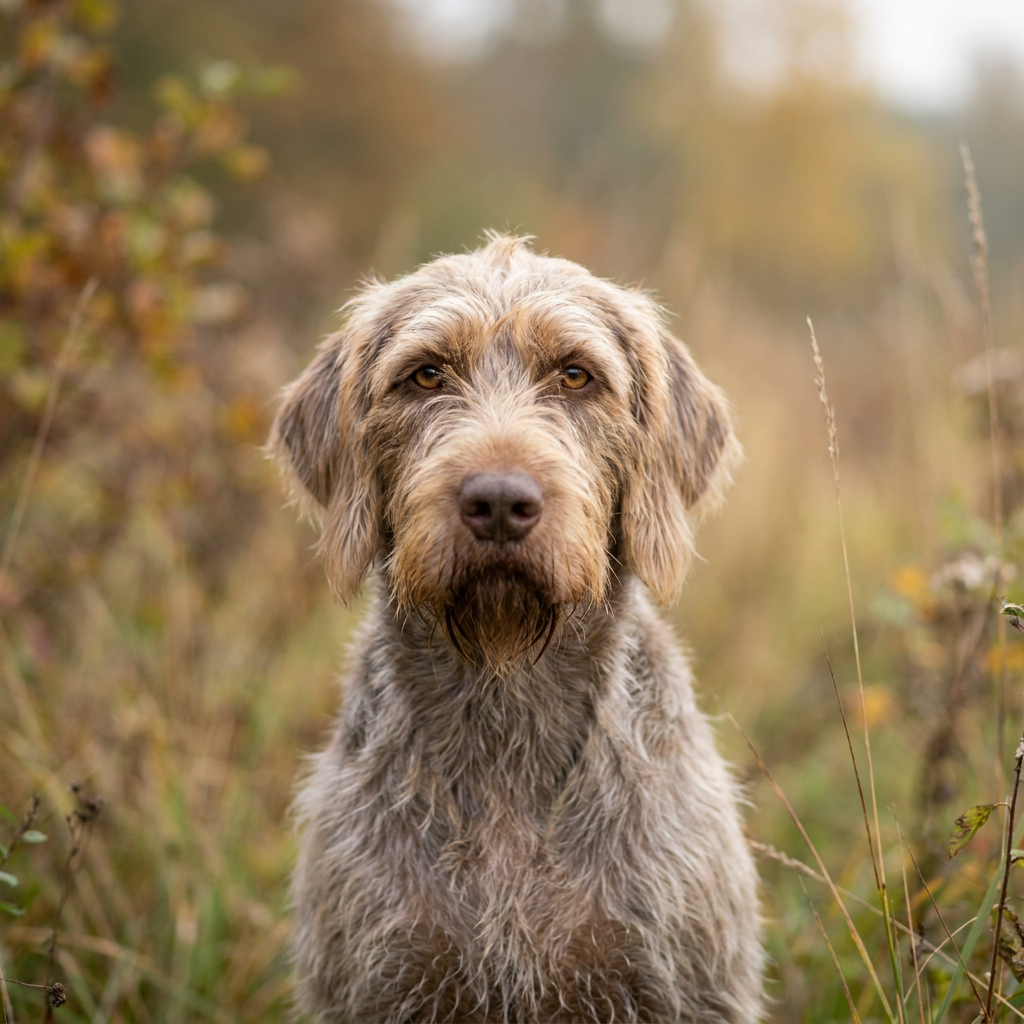
History & Origin
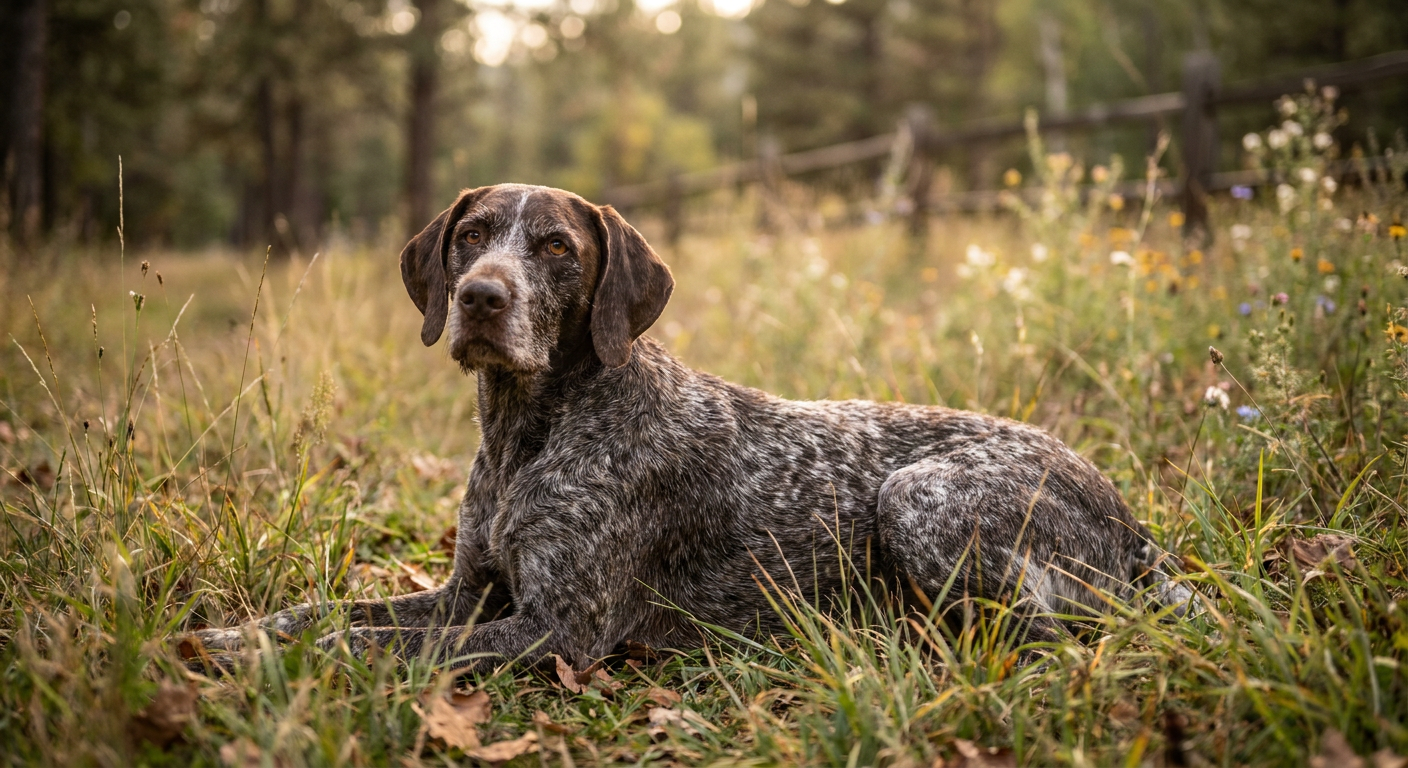
Developed in the 1870s by Eduard Korthals, a Dutchman seeking the ultimate versatile gundog that could work in dense cover and water. Korthals refined the breed across France and Germany using several pointing and wire-coated breeds. It was recognized by the AKC in 1887 and remains a favorite among dedicated upland and waterfowl hunters.
Temperament & Personality
The 'Griff' is an intelligent, energetic, and extremely loyal sporting dog known for its keen sense of smell and versatility. They are famously affectionate with their family, often referred to as 'velcro dogs' due to their desire for constant companionship. While alert and protective of their home, they are generally outgoing with strangers. In the field, they are methodical and persistent hunters.
Health Watchouts
Top conditions reported by AKC parent clubs, OFA, and the Merck Veterinary Manual. Discuss screening with your vet — especially before breeding or insuring.
Hip Dysplasia
CommonA malformation of the hip joint that can lead to arthritis and mobility issues.
Screening: OFA or PennHIP evaluation
Entropion
OccasionalA condition where the eyelid rolls inward, causing the eyelashes to rub against and irritate the cornea.
Screening: Ophthalmologist Evaluation
Progressive Retinal Atrophy (PRA)
Lower than in other sporting breeds, but presentA hereditary eye disease that causes progressive vision loss and eventual blindness.
Screening: DNA Retinal Test/CERF exam
Hypothyroidism
ModerateAn underactive thyroid gland that can cause lethargy, weight gain, and skin issues.
Screening: Blood thyroid panel
Exercise Needs
Designed as a versatile gundog, this breed requires intense daily physical activity, preferably in a varied outdoor environment where they can safely roam and explore.
- Long daily hikes or trail runs
- Off-leash running in secure, large areas
- Controlled swimming for joint-friendly cardio
- Agility or dock diving competitions
Nutrition
Daily calories: 1200-1500 kcal/day depending on activity level
Active hunting dogs may require performance-blend diets with higher protein and fat content during peak season.
Common allergens to watch: Beef, Dairy, Wheat.
⚠ The 'Griff' has a high metabolism but can become overweight if exercise levels drop; monitor body condition scores regularly.
Entertainment & Enrichment
This breed requires mental engagement to prevent boredom-driven destructive behaviors, particularly tasks that utilize their nose and retrieving instincts.
- Field trials or hunt tests to engage scenting instincts
- Nose work games hiding high-value treats or scents
- Fetch or retrieving games in open water
- Food-dispensing puzzles to slow down calorie intake
Grooming & Coat Care
Weekly brushing is required to prevent matting. To maintain the proper wiry texture, the coat must be hand-stripped twice a year; clipping the coat will soften the hair and reduce its weather-resistant properties.
Training
Training should focus on positive reinforcement and consistency, as the breed is sensitive to harsh treatment. Early socialization and obedience training are essential to manage their hunting drive and desire to chase small animals. They excel in advanced field work and competitive dog sports like agility or tracking.
Cost of Ownership
Lifetime cost depends on size, lifespan, and health risks. Try our Lifetime Cost Calculator →
Cost band for Wirehaired Pointing Griffon: high.
How insurance, vet care & grooming connect for the Wirehaired Pointing Griffon
These three costs move together. The Wirehaired Pointing Griffon’s coat, energy, and breed-specific health watchouts shape each one — here’s how they line up.
Insurance band
Common hereditary conditions raise claim odds
Vet service load
High activity raises orthopedic & injury visits
Grooming demand
Double coat sheds seasonally — frequent brushing
Estimated monthly spend (typical adult)
Insurance
$85
Routine vet
$60
Grooming
$45
Combined estimate
~$190/mo(±20%, US averages)
* Estimates derived from breed traits (coat, energy, health watchouts, lifespan). Actual costs vary by location, age, and provider.
Living Situation Fit
They thrive in homes with large, securely fenced yards and owners who enjoy outdoor activities like hiking or hunting. They are devoted companions that prefer living indoors with their family rather than being relegated to a kennel.
Choosing a Puppy
Prioritize breeders who participate in NAVHDA testing or AKC hunt tests to ensure working ability. Inspect health clearances for hips, elbows, and thyroid, and ask about the texture of the sire and dam's coats.
Frequently Asked Questions
Is the Wirehaired Pointing Griffon hypoallergenic?
While they shed very little, they are not strictly hypoallergenic. Their wiry coat requires hand-stripping to maintain its water-repellent texture and remove dead hair.
Are they good family dogs?
They are highly affectionate and usually patient with children, making them excellent family companions for active households that can provide daily outdoor exercise.
How does their temperament compare to a German Shorthaired Pointer?
The 'Griff' is known for being somewhat more sensitive and eager to please than some other pointing breeds, often responding best to positive reinforcement rather than harsh correction.