History & Origin
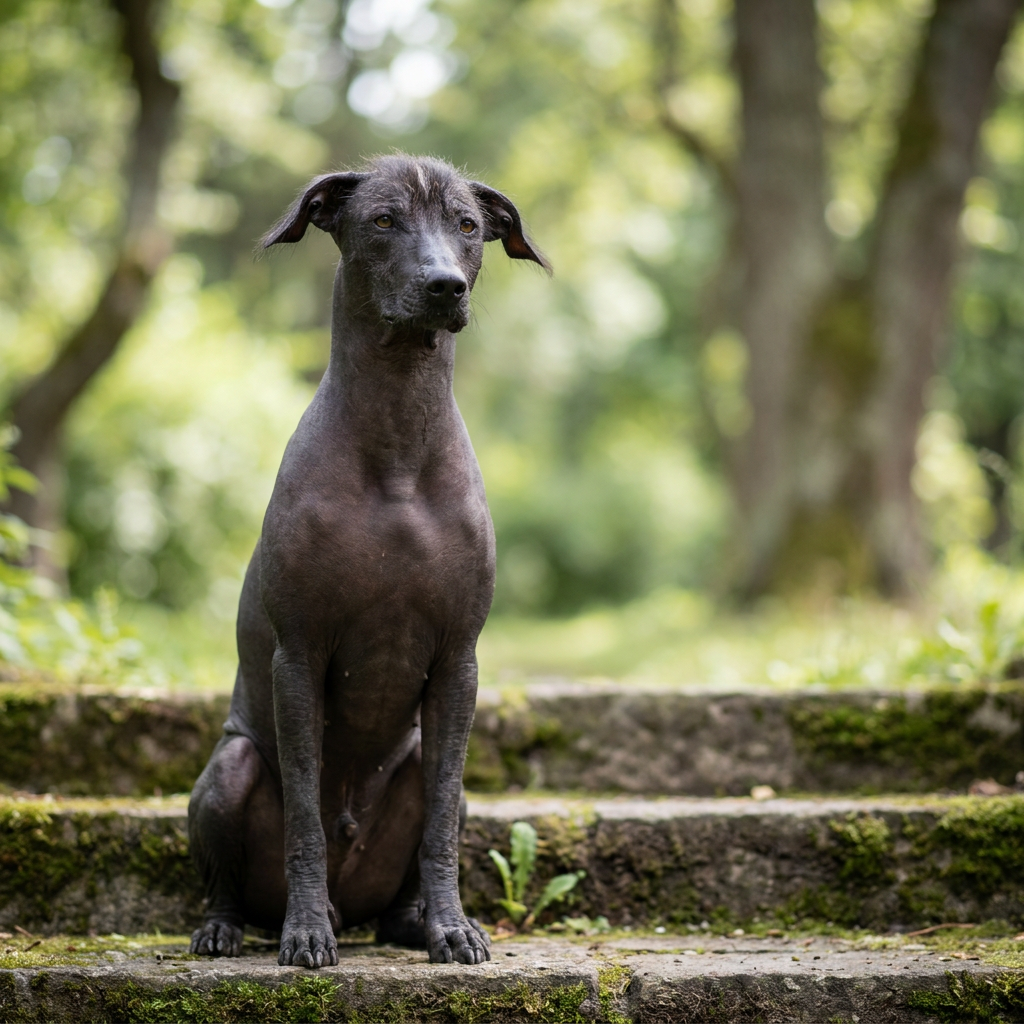
Tracing back over 3,000 years, this ancient breed was considered a sacred healer and companion by the Aztecs and Mayans. It is named after the Aztec god Xolotl and is one of the oldest breeds in the Americas. The AKC officially recognized the breed in 1887, though it was later dropped and eventually reinstated in 2011.
Temperament & Personality
The Xoloitzcuintli is a calm, aloof, and highly observant companion. They are intensely loyal to their immediate family but typically remain wary and reserved around strangers. While peaceful in the home, they possess a high prey drive and keen primitive instincts.
Health Watchouts
Top conditions reported by AKC parent clubs, OFA, and the Merck Veterinary Manual. Discuss screening with your vet — especially before breeding or insuring.
Dental Abnormalities
High (Hairless variety)A genetic predisposition to missing teeth or poor dental alignment, specifically in the hairless variety.
Screening: Visual dental exams
Dermatologic Issues
High (Hairless variety)The lack of fur makes the skin vulnerable to UV damage, dryness, and acne (comedones).
Screening: Regular veterinary skin checks
Hip Dysplasia
Low to Moderate (Standard size)A developmental orthopedic disease where the hip joint does not fit together perfectly, leading to arthritis.
Screening: OFA or PennHIP evaluation
Patellar Luxation
Moderate (Toy/Miniature)Dislocation of the kneecap, common in the toy and miniature varieties.
Screening: OFA evaluation
Exercise Needs
They are agile and athletic, requiring moderate daily exercise. While generally calm indoors, they need consistent physical activity to remain emotionally balanced.
- Daily brisk neighborhood walks
- Securely fenced off-leash play
- High-jump or agility training for miniatures and standards
- Indoor play sessions in cold weather
Nutrition
Daily calories: 400-1200 kcal (varies significantly by size)
Because they may have missing teeth, some hairless individuals benefit from slightly softened kibble or wet food.
Common allergens to watch: Chicken, Beef, Dairy.
⚠ Maintain a lean body condition to avoid putting unnecessary stress on their joints.
Entertainment & Enrichment
Xolos are intelligent and 'primitive,' requiring mental engagement to prevent boredom-related anxiety. They enjoy spending time near their owners and thrive on structured play.
- Sunbathing opportunities (with UV protection)
- Interactive food puzzles to satisfy mental curiosity
- Indoor scent games that utilize their primitive hunting instincts
- Cozy, high-quality bedding for relaxation and warmth
Grooming & Coat Care
Hairless varieties require weekly baths and skin hydration; coated varieties need occasional brushing. Exfoliation may be necessary for hairless skin to prevent clogged pores.
Training
Xolos respond best to positive reinforcement and consistent, gentle leadership. They are sensitive to harsh corrections and can be independent, requiring early socialization to manage their natural wariness of strangers.
Cost of Ownership
Lifetime cost depends on size, lifespan, and health risks. Try our Lifetime Cost Calculator →
Cost band for Xoloitzcuintli: high.
How insurance, vet care & grooming connect for the Xoloitzcuintli
These three costs move together. The Xoloitzcuintli’s coat, energy, and breed-specific health watchouts shape each one — here’s how they line up.
Insurance band
Common hereditary conditions raise claim odds
Vet service load
High activity raises orthopedic & injury visits
Grooming demand
Low-maintenance coat — monthly bath and brush
Estimated monthly spend (typical adult)
Insurance
$85
Routine vet
$60
Grooming
$30
Combined estimate
~$175/mo(±20%, US averages)
* Estimates derived from breed traits (coat, energy, health watchouts, lifespan). Actual costs vary by location, age, and provider.
Living Situation Fit
They are sensitive to extreme temperatures; sweaters are mandatory in winter and sunscreen in summer. While adaptable to apartments, they are alert watchdogs that may bark at strangers.
Choosing a Puppy
Ensure the breeder performs OFA clearances for hips, knees, and eyes. Be aware that hairless and coated varieties can occur in the same litter; hairless puppies often have missing premolars, which is a genetic trait of the breed and not a health defect.
Frequently Asked Questions
Is the Xoloitzcuintli hypoallergenic?
No. While the hairless variety lacks fur and dander-trapping hair, they still produce skin dander and saliva. Many allergy sufferers tolerate them well, but they are not strictly hypoallergenic.
How do I care for the skin of a hairless Xolo?
Hairless Xolos require regular baths with mild soap and occasional moisturizing with dog-safe lotion. Sunscreen is essential for outdoor activities to prevent sunburn.
Is it normal for Xolos to have missing teeth?
Yes, the hairless trait is linked to biological dental patterns. It is very common and acceptable for hairless Xolos to be missing certain teeth, usually premolars.