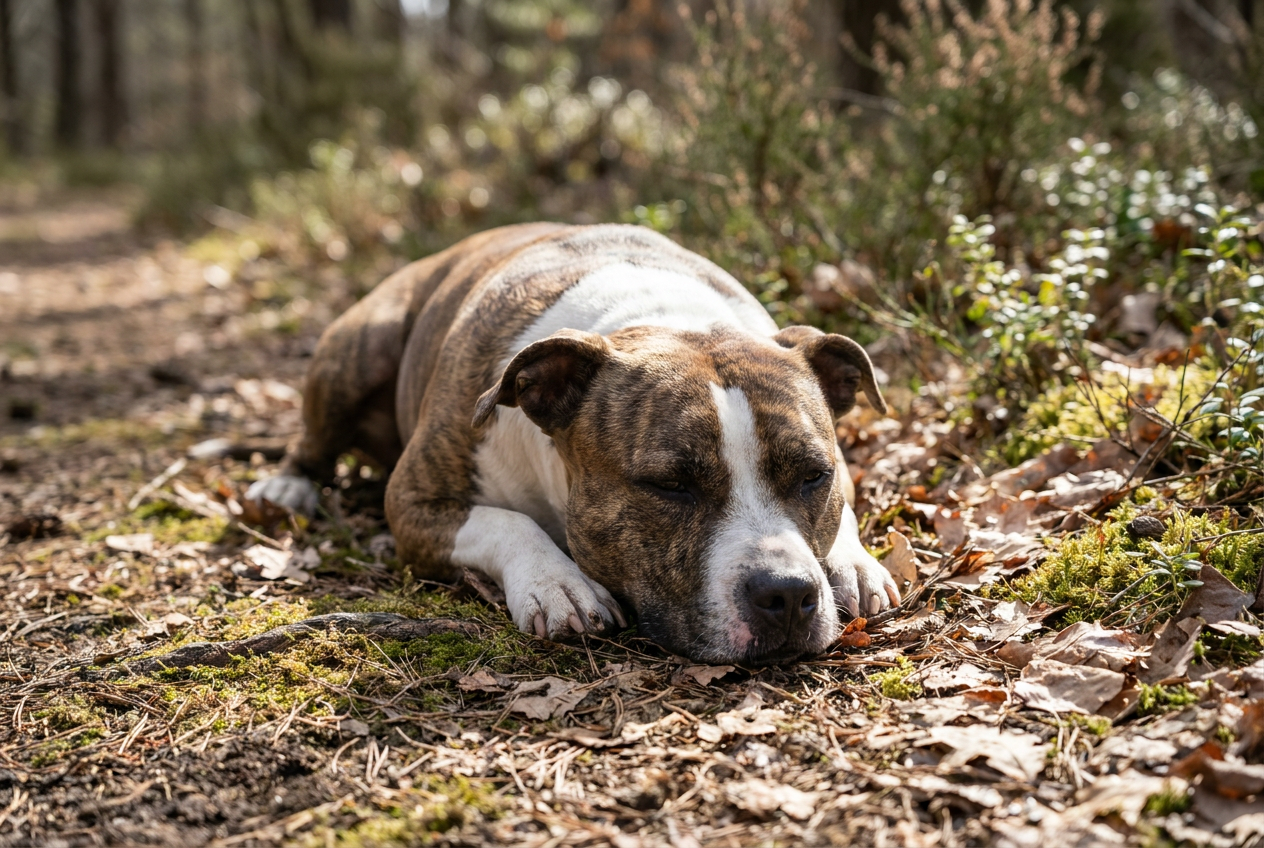
History & Origin
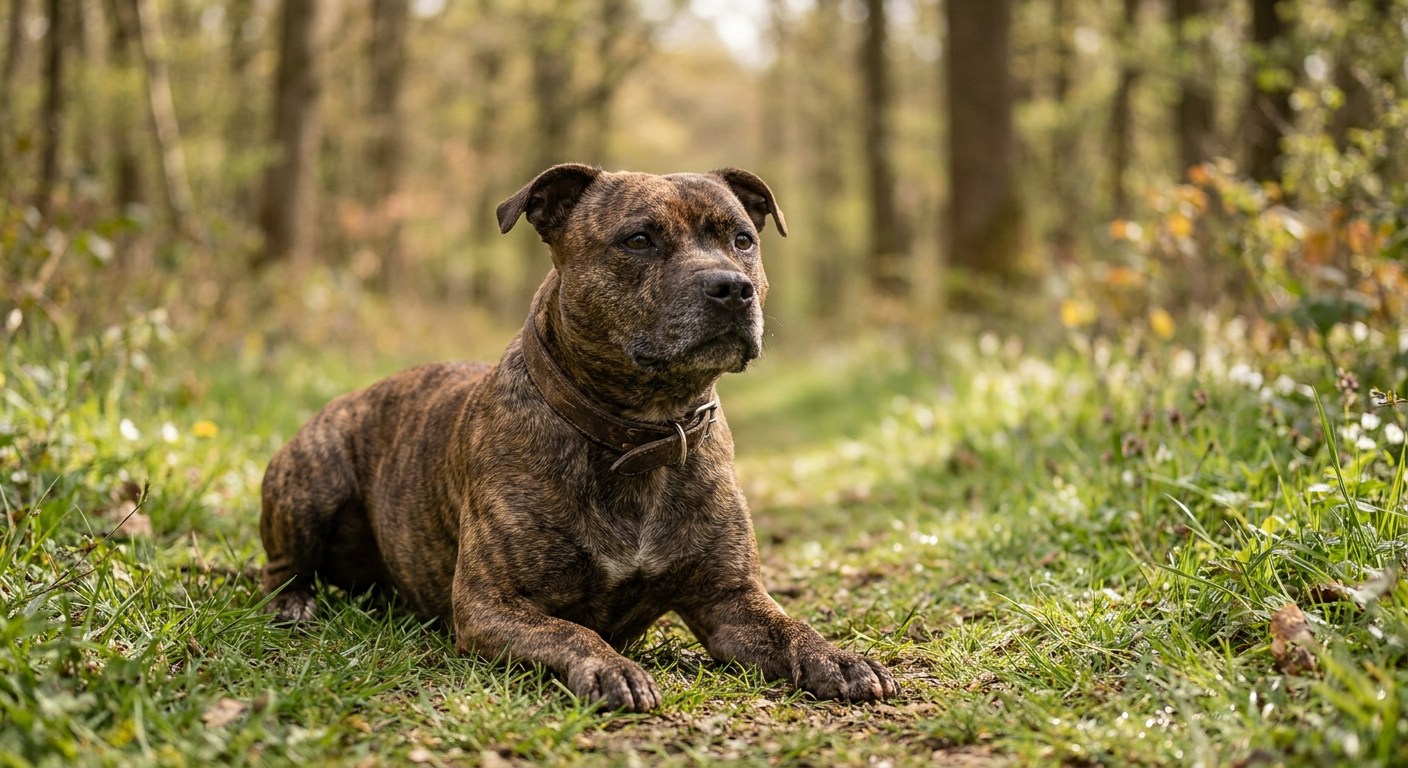
The breed originated in the 19th century from crosses between English Bulldogs and various terrier breeds. While originally used for blood sports, American breeders developed a heavier, more muscular version recognized by the AKC in 1936. By 1972, the name was officially changed to the American Staffordshire Terrier to distinguish it from its smaller British cousins.
Temperament & Personality
The American Staffordshire Terrier is a confident, smart, and intensely loyal companion characterized by its 'people-oriented' personality. Though powerful and brave, they are often described as 'goofy' or affectionate lap-dogs with their own families. They exhibit a high degree of focus, which makes them highly trainable but also potentially stubborn if they sense inconsistent leadership. Protective instincts are present, but they are generally friendly toward strangers when properly introduced.
Health Watchouts
Top conditions reported by AKC parent clubs, OFA, and the Merck Veterinary Manual. Discuss screening with your vet — especially before breeding or insuring.
Hip Dysplasia
CommonA genetic malformation of the hip joint that can lead to arthritis and mobility issues.
Screening: OFA or PennHip X-rays
Pulmonic Stenosis
ModerateObstruction of blood flow from the heart to the lungs, often inherited.
Screening: Echocardiogram
Cerebellar Ataxia
Low (Carrier status common)A progressive neurological disease that causes loss of coordination and balance.
Screening: DNA Test
Skin Allergies
HighProne to environmental and food allergies that manifest as itchy skin (atopy) or ear infections.
Screening: Physical Exam / Allergy Testing
Exercise Needs
AmStaffs are athletic, high-energy dogs that require at least an hour of vigorous physical activity daily.
- Brisk daily walks or jogs
- Agility training
- Rope tug-of-war games
- Off-leash play in securely fenced areas
Nutrition
Daily calories: 1200-1600 kcal depending on activity level.
Feed high-quality protein to support muscle mass. Split meals into two daily servings to reduce the risk of bloat (GDV).
Common allergens to watch: Beef, Chicken, Dairy, Wheat.
⚠ Carrying excess weight significantly increases the risk of ACL (CCL) tears and joint stress.
Entertainment & Enrichment
This breed requires high-level mental engagement to prevent destructive behaviors rooted in boredom.
- Flirt pole play to engage prey drive
- Weighted vest walks (with vet approval post-maturity)
- High-intensity fetch sessions
- Nose work or scent games to provide mental fatigue
Grooming & Coat Care
Minimal grooming is required; weekly brushing with a soft bristle brush or rubber mitt will remove loose hair. Bathe only as needed. Regular nail trims are vital due to their high activity levels.
Training
Use positive reinforcement and start obedience training as early as possible. Their strength makes leash manners a priority. They are eager to please but require a handler who can provide clear boundaries.
Cost of Ownership
Lifetime cost depends on size, lifespan, and health risks. Try our Lifetime Cost Calculator →
Cost band for American Staffordshire Terrier: medium.
How insurance, vet care & grooming connect for the American Staffordshire Terrier
These three costs move together. The American Staffordshire Terrier’s coat, energy, and breed-specific health watchouts shape each one — here’s how they line up.
Insurance band
Common hereditary conditions raise claim odds
Vet service load
High activity raises orthopedic & injury visits
Grooming demand
Low-maintenance coat — monthly bath and brush
Estimated monthly spend (typical adult)
Insurance
$75
Routine vet
$50
Grooming
$45
Combined estimate
~$170/mo(±20%, US averages)
* Estimates derived from breed traits (coat, energy, health watchouts, lifespan). Actual costs vary by location, age, and provider.
Living Situation Fit
This breed thrives in homes with large, securely fenced yards; they are generally not recommended for apartment living unless the owner is highly active. They require strong, consistent leadership and early socialization.
Choosing a Puppy
Request evidence of hip and cardiac clearances through the OFA database. Observe the dam's temperament, as early socialization starts with the breeder to manage potential dog-selectivity.
Frequently Asked Questions
Are they good with other dogs?
While they are often incredibly affectionate with humans, many AmStaffs show varying degrees of dog-restricted or dog-aggressive tendencies. Proper socialization is essential, but they may never be 'dog park' dogs.
CanThey live outdoors?
No, their coats are short and single-layered, making them sensitive to extreme heat and cold. They should always live indoors as family members.
Is this the same as a Pit Bull?
While related to the Staffordshire Bull Terrier and sharing ancestry with the 'Pit Bull' type, the AmStaff has been bred for several decades specifically for conformation and temperament within the AKC system.