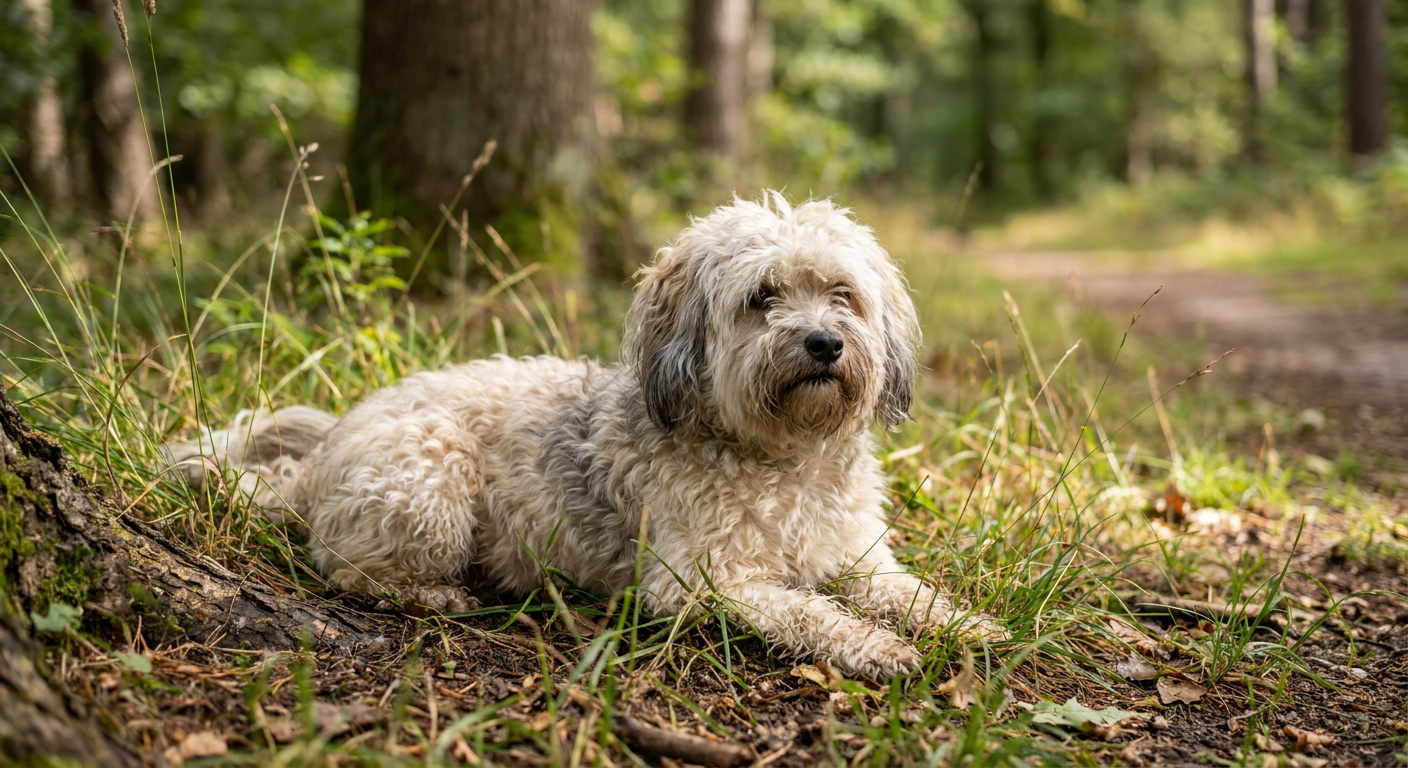
History & Origin
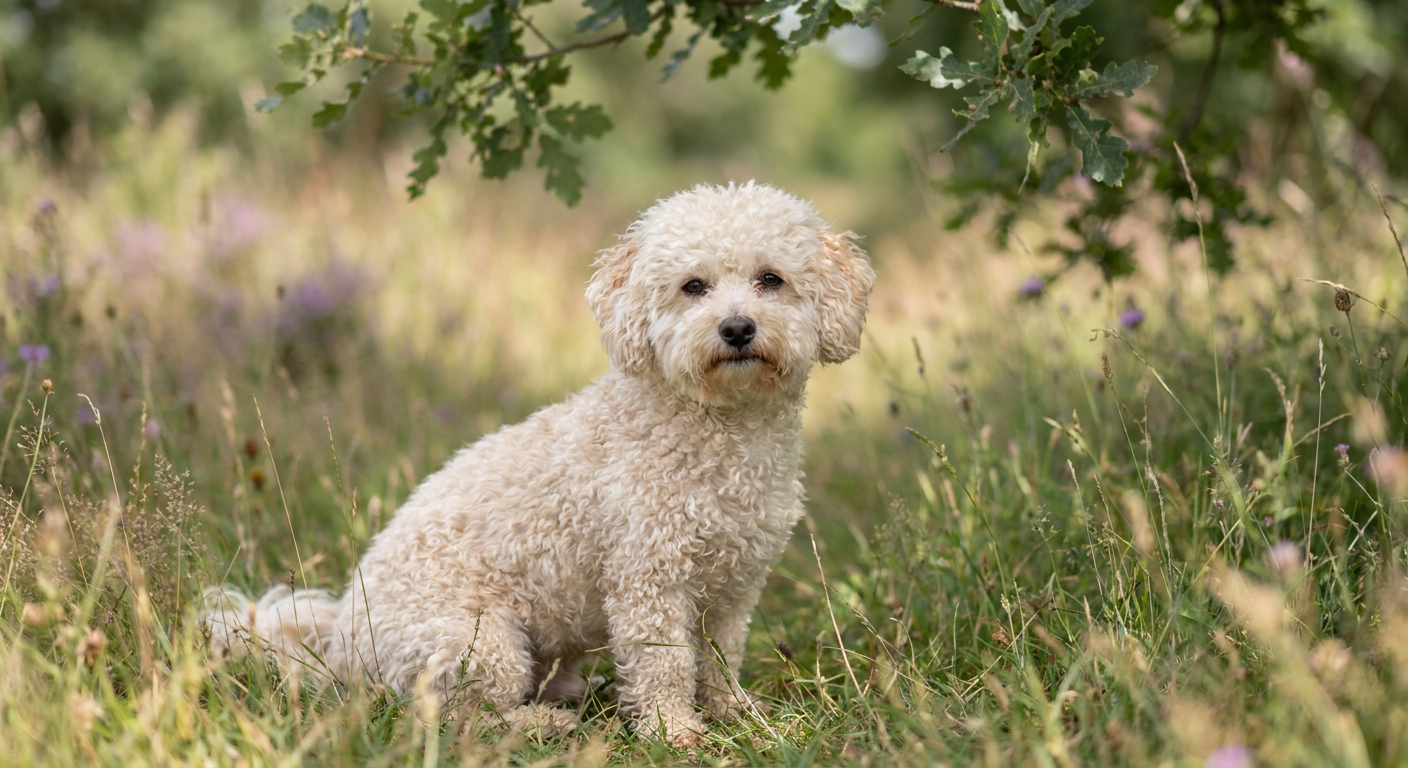
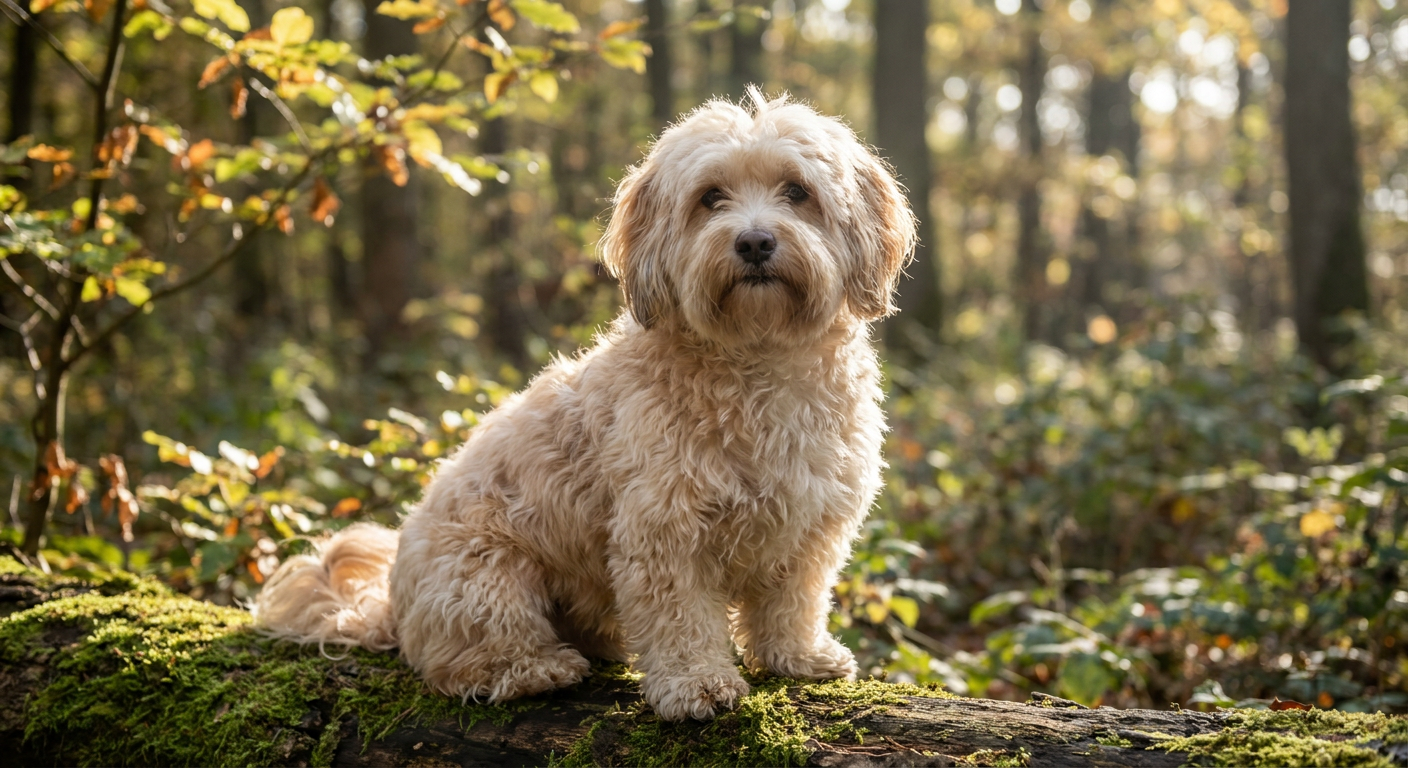
Originating in Europe as far back as the 15th century, the 'Little Lion Dog' was a favorite of the French and German nobility. By the early 1970s, it was recognized by the Guinness Book of Records as the rarest dog breed in the world. Modern populations have recovered though they remain relatively uncommon today.
Temperament & Personality
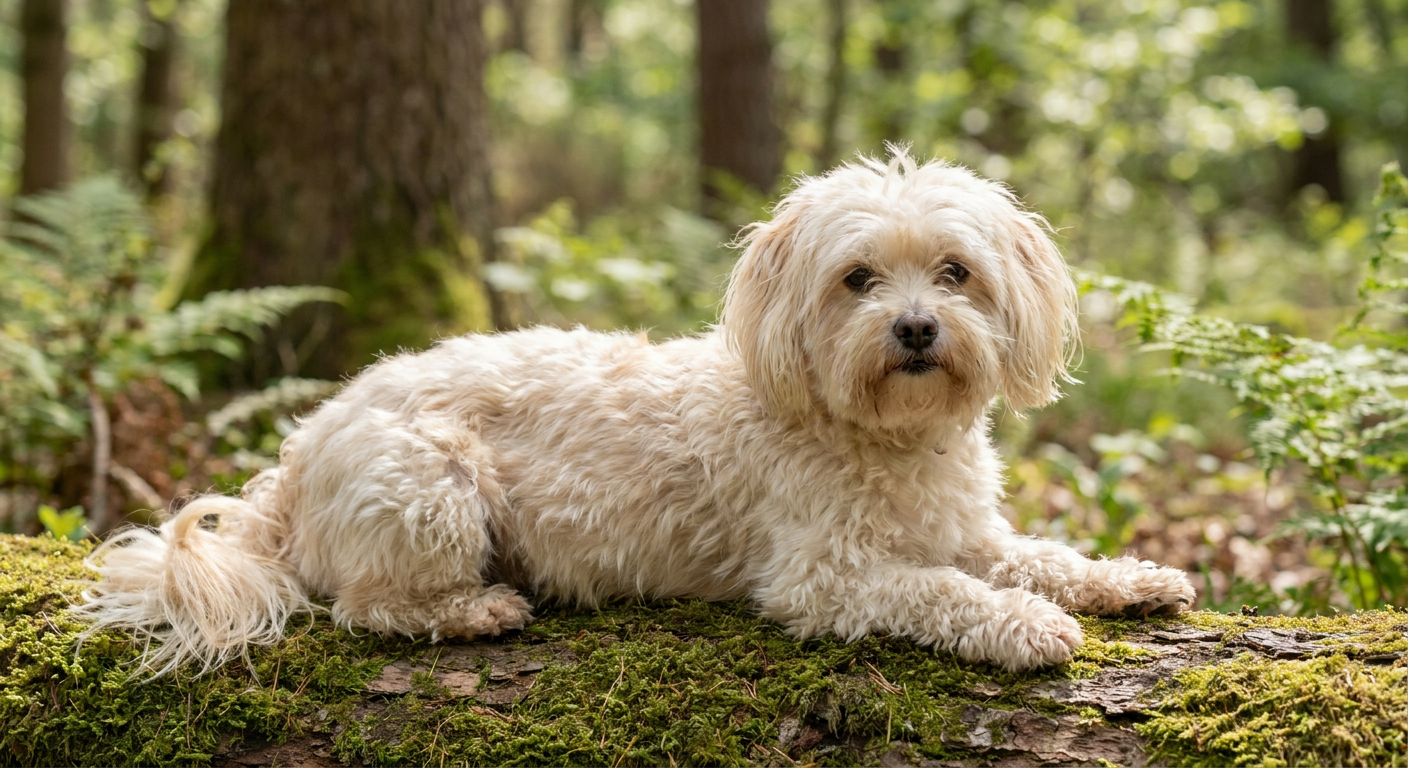
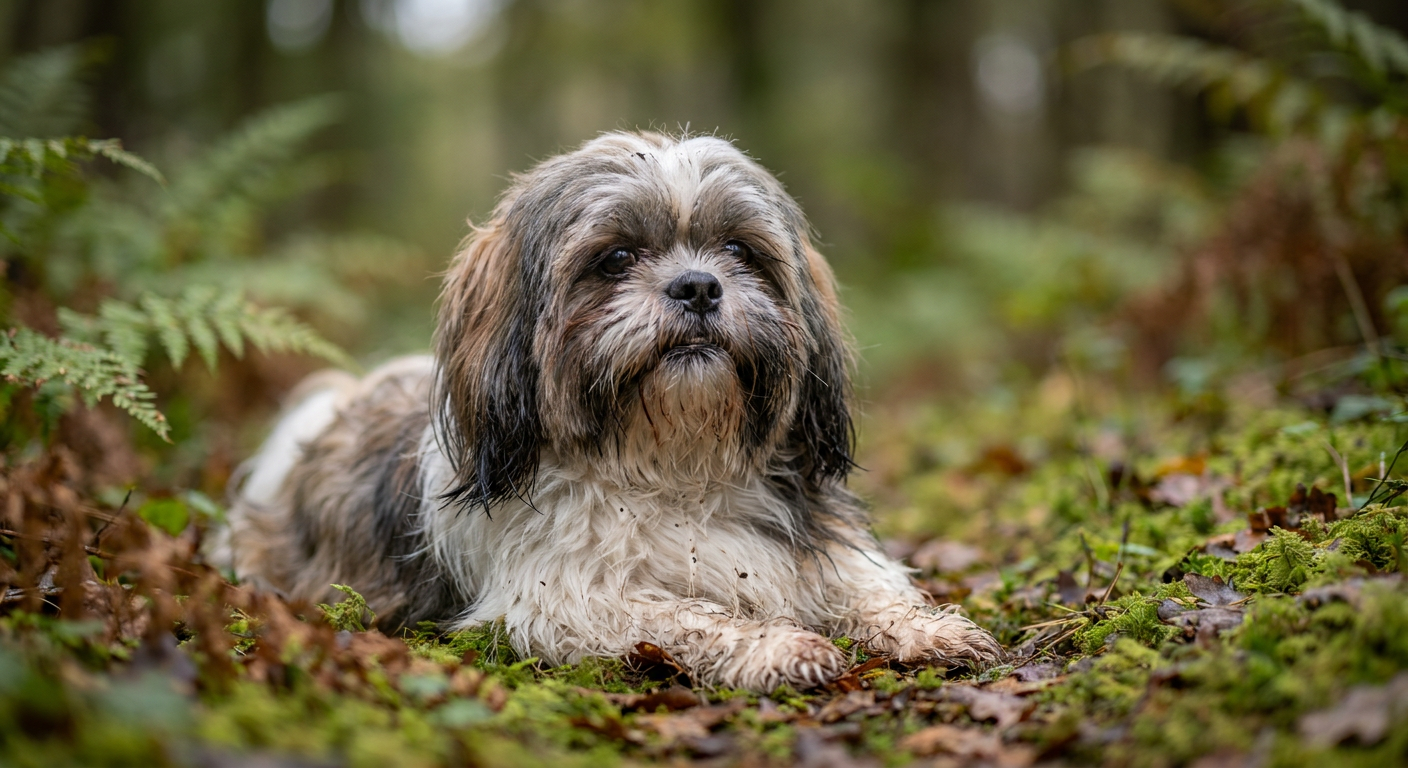
The Löwchen is an affectionate, lively, and brave companion that tends to be more outgoing than many other toy breeds. They are famously devoted to their owners and generally get along well with other pets and children. Despite their 'lion' moniker, they are gentle and highly responsive to human emotion.
Health Watchouts
Top conditions reported by AKC parent clubs, OFA, and the Merck Veterinary Manual. Discuss screening with your vet — especially before breeding or insuring.
Patellar Luxation
CommonThe kneecap slips out of its groove, common in many small breeds.
Screening: Physical exam/OFA evaluation
Progressive Retinal Atrophy (PRA)
OccasionalProgressive degeneration of the retina leading to eventual blindness.
Screening: CAER/Annual Eye Exam
Hip Dysplasia
ModerateA condition where the hip joint doesn't fit together perfectly, potentially leading to arthritis.
Screening: OFA or PennHIP Radiographs
Cataracts
OccasionalClouding of the lens which can impair vision if left untreated.
Screening: OFA Eye Certification
Exercise Needs
Though small, they are sturdy and athletic, requiring about an hour of daily activity to remain healthy.
- Brisk neighborhood walks
- Off-leash play in a secure area
- Short indoor fetch sessions
- Obedience or agility trials
Nutrition
Daily calories: 400-600 kcal/day depending on activity level
Feed two measured meals per day; avoid free-feeding to prevent obesity.
Common allergens to watch: Beef, Dairy, Wheat.
⚠ Weight gain can exacerbate joint issues like patellar luxation.
Entertainment & Enrichment
Mental stimulation is vital for this intelligent breed to prevent boredom-based vocalization or digging.
- Scent work games
- Advanced trick training
- Interactive food puzzles
- Agility or flyball training
- Hide-and-seek with family members
Grooming & Coat Care
Daily brushing is required to prevent mats. If kept in the traditional lion clip, professional grooming every 4–6 weeks is necessary.
Training
Highly intelligent and eager to please, they respond best to positive reinforcement and varied training routines. Early socialization is necessary to temper their natural alertness.
Cost of Ownership
Lifetime cost depends on size, lifespan, and health risks. Try our Lifetime Cost Calculator →
Cost band for Löwchen: high.
How insurance, vet care & grooming connect for the Löwchen
These three costs move together. The Löwchen’s coat, energy, and breed-specific health watchouts shape each one — here’s how they line up.
Insurance band
Common hereditary conditions raise claim odds
Vet service load
High activity raises orthopedic & injury visits
Grooming demand
Professional clipping every 6–8 weeks
Estimated monthly spend (typical adult)
Insurance
$85
Routine vet
$60
Grooming
$60
Combined estimate
~$205/mo(±20%, US averages)
* Estimates derived from breed traits (coat, energy, health watchouts, lifespan). Actual costs vary by location, age, and provider.
Living Situation Fit
They thrive in both apartments and houses provided they receive sufficient outdoor interaction. They are highly social and should not be left alone for long periods.
Choosing a Puppy
Select a breeder who provides OFA certifications for hips and patellas, and ACVO eye clearances. Since the gene pool is small, inquire about the breeder's commitment to genetic diversity.
Frequently Asked Questions
Are Löwchens good for dog sports?
Yes, they excel in agility and obedience trials because of their biddability and athletic nature.
Do they make good guard dogs?
While they are vigilant and will bark at intruders, they are generally too friendly to be effective guardians.
Do they always have to have the lion haircut?
The 'lion clip' is traditional, but many owners keep them in a 'puppy cut' or 'pet clip' for easier maintenance.