History & Origin
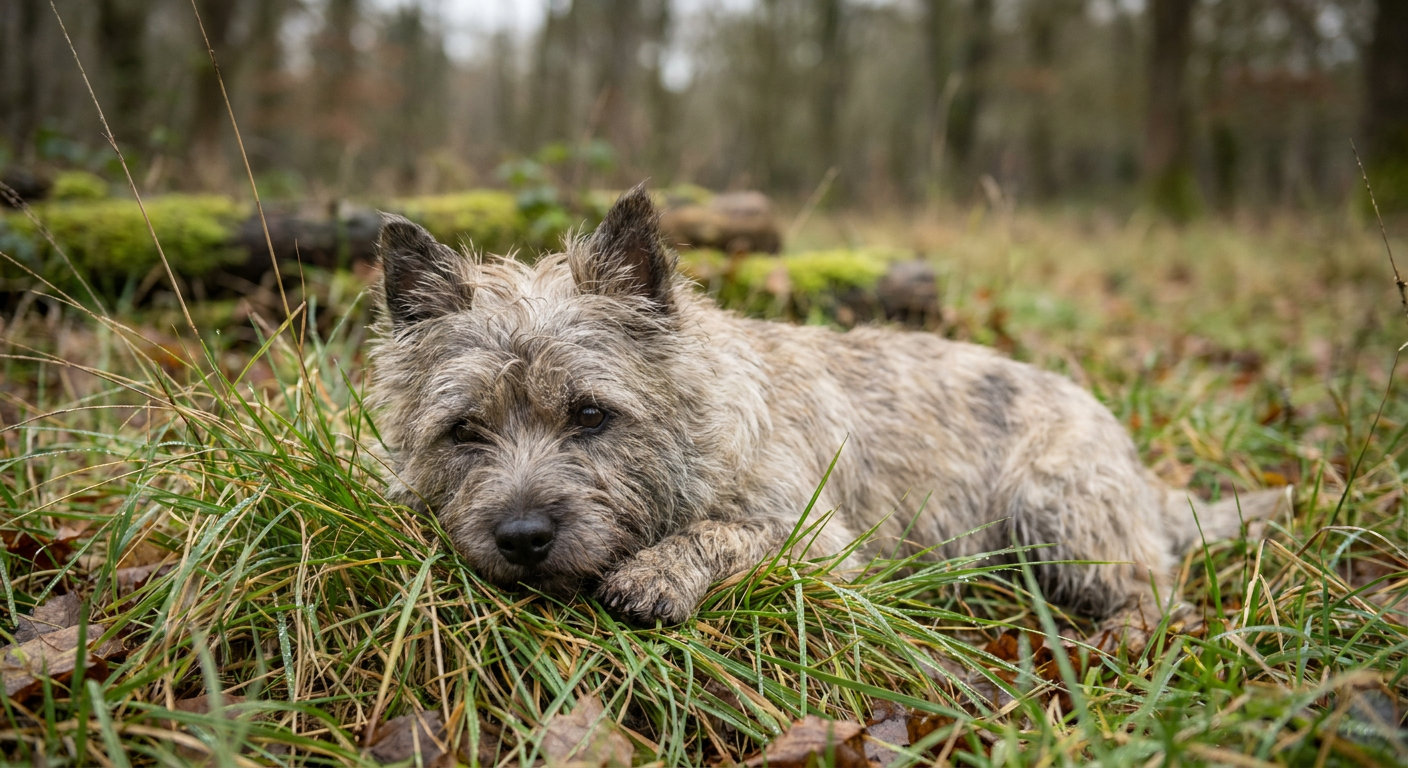
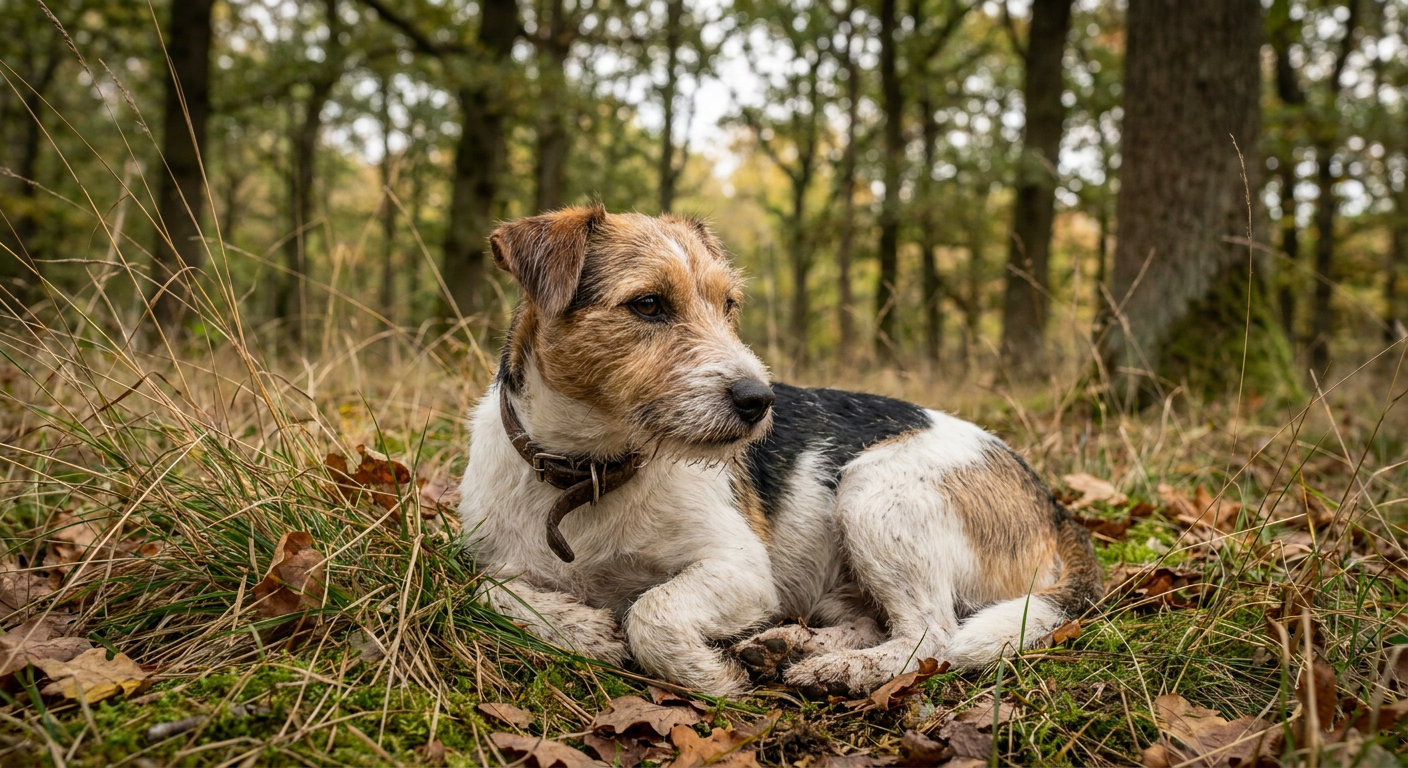
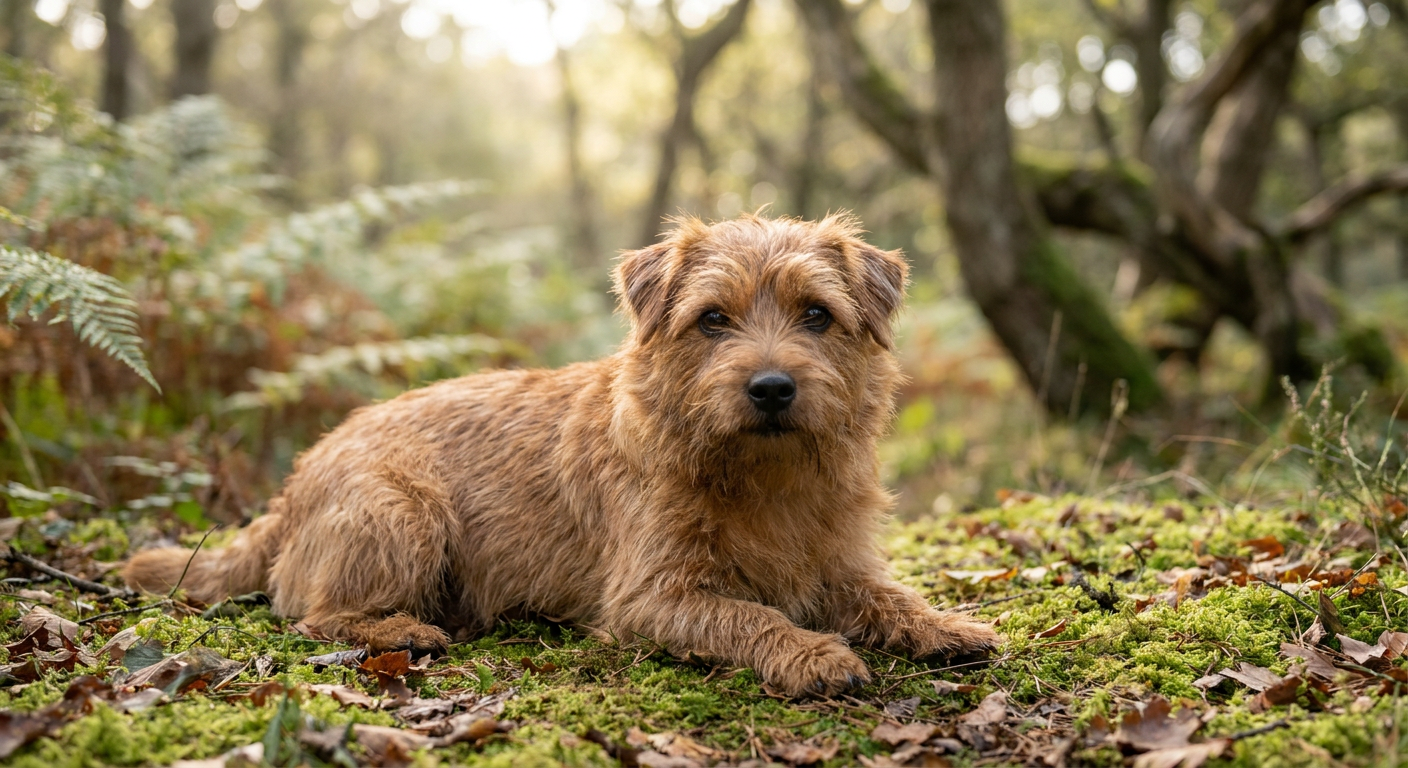
Developed in East Anglia, England, in the late 19th and early 20th centuries, these dogs were originally bred as hardy farm ratters and bolters for fox hunts. They were recognized as the 'drop-eared' variety of the Norwich Terrier for decades until the AKC and Kennel Club (UK) designated them as a separate breed in 1979 and 1964, respectively.
Temperament & Personality
Spirited, gregarious, and exceptionally loyal, the Norfolk is often described as a 'demon' in the field but a delightful companion at home. They are more social than many other terriers, often getting along well with other dogs if properly socialized. While stubborn at times, they are deeply attached to their families and possess a fearless, alert nature.
Health Watchouts
Top conditions reported by AKC parent clubs, OFA, and the Merck Veterinary Manual. Discuss screening with your vet — especially before breeding or insuring.
Patellar Luxation
ModerateA condition where the kneecap slips out of place, common in small breeds.
Screening: Physical exam (OFA evaluation)
Mitral Valve Disease (MVD)
ModerateA hereditary heart condition where the mitral valve weakens over time.
Screening: Annual cardiac auscultation (Echocardiogram if murmur found)
Legg-Calvé-Perthes Disease
Low to ModerateA degenerative hip disease where the femoral head spontaneously dies.
Screening: Pelvic X-rays
Eye Issues
LowVarious ocular issues including cataracts and glaucoma.
Screening: Annual CAER exam (OFA)
Exercise Needs
This is an active, 'big dog in a small body' breed that requires daily physical outlets to stay settled indoors.
- Brisk daily walks on a sturdy leash.
- Securely fenced yard playtime.
- Earthdog trials or scent work.
- Short fetch sessions with small, appropriate toys.
Nutrition
Daily calories: 350-500 kcal/day depending on activity level.
They are prone to obesity; use a small-breed specific kibble and measure portions strictly.
Common allergens to watch: Beef, Dairy, Wheat.
⚠ Norfolks are food-motivated and can quickly become overweight, putting strain on their joints.
Entertainment & Enrichment
Norfolks are highly intelligent and inquisitive; they require varied mental stimulation to prevent boredom-based digging or barking.
- Hide-and-seek with high-value treats to utilize scenting skills.
- Digging pits or sandboxes to satisfy natural terrier instincts.
- Short, frequent training sessions focusing on new tricks.
- Interactive food puzzles and lick mats for mental stimulation.
Grooming & Coat Care
Hand-stripping twice yearly is required to maintain coat texture; weekly brushing is necessary.
Training
Use positive reinforcement and variety; they can be stubborn and get bored with repetitive drills. Early socialization is critical to manage their inherent prey drive.
Cost of Ownership
Lifetime cost depends on size, lifespan, and health risks. Try our Lifetime Cost Calculator →
Cost band for Norfolk Terrier: high.
How insurance, vet care & grooming connect for the Norfolk Terrier
These three costs move together. The Norfolk Terrier’s coat, energy, and breed-specific health watchouts shape each one — here’s how they line up.
Insurance band
Multiple breed-specific health watchouts
Vet service load
High activity raises orthopedic & injury visits
Grooming demand
Low-maintenance coat — monthly bath and brush
Estimated monthly spend (typical adult)
Insurance
$75
Routine vet
$60
Grooming
$30
Combined estimate
~$165/mo(±20%, US averages)
* Estimates derived from breed traits (coat, energy, health watchouts, lifespan). Actual costs vary by location, age, and provider.
Living Situation Fit
They thrive in almost any environment, from apartments to farms, provided they receive daily walks. They prefer being close to their owners but need a secure yard to prevent them from chasing local wildlife.
Choosing a Puppy
Search for breeders who perform OFA eye examinations and patella certifications. Ensure the breeder allows you to meet the dam and provides a clear history of the puppy's socialization.
Frequently Asked Questions
What is the difference between a Norfolk and a Norwich Terrier?
The Norfolk has dropped, folded ears, while the Norwich Terrier has prick ears. Otherwise, they are virtually identical in temperament and build.
Are Norfolk Terriers good lap dogs?
While they are small, they are generally too active and independent to be traditional 'lap dogs,' though they are very affectionate with family.
Can I trust my Norfolk Terrier off-leash?
They have a high prey drive and will likely chase small animals. They must always be kept on a lead or in a securely fenced area.