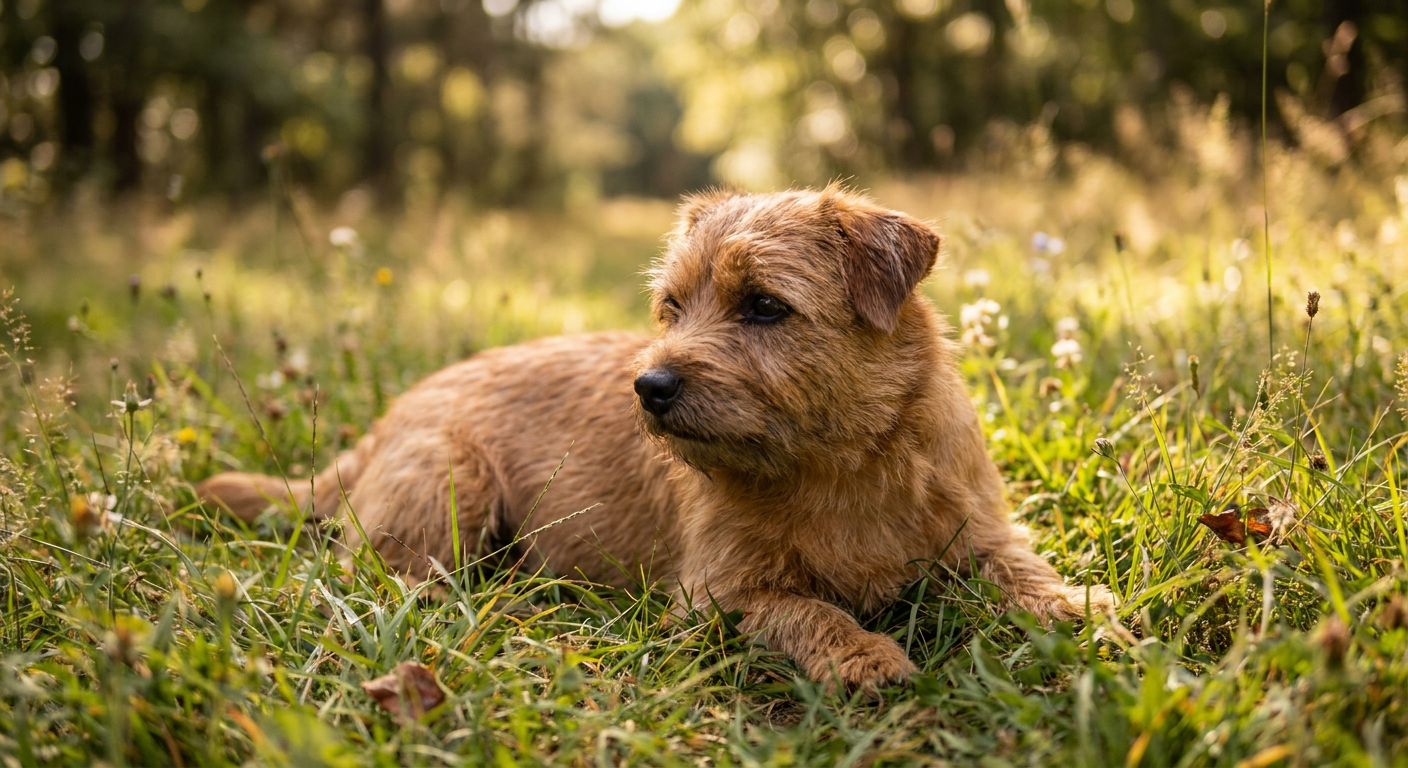
History & Origin
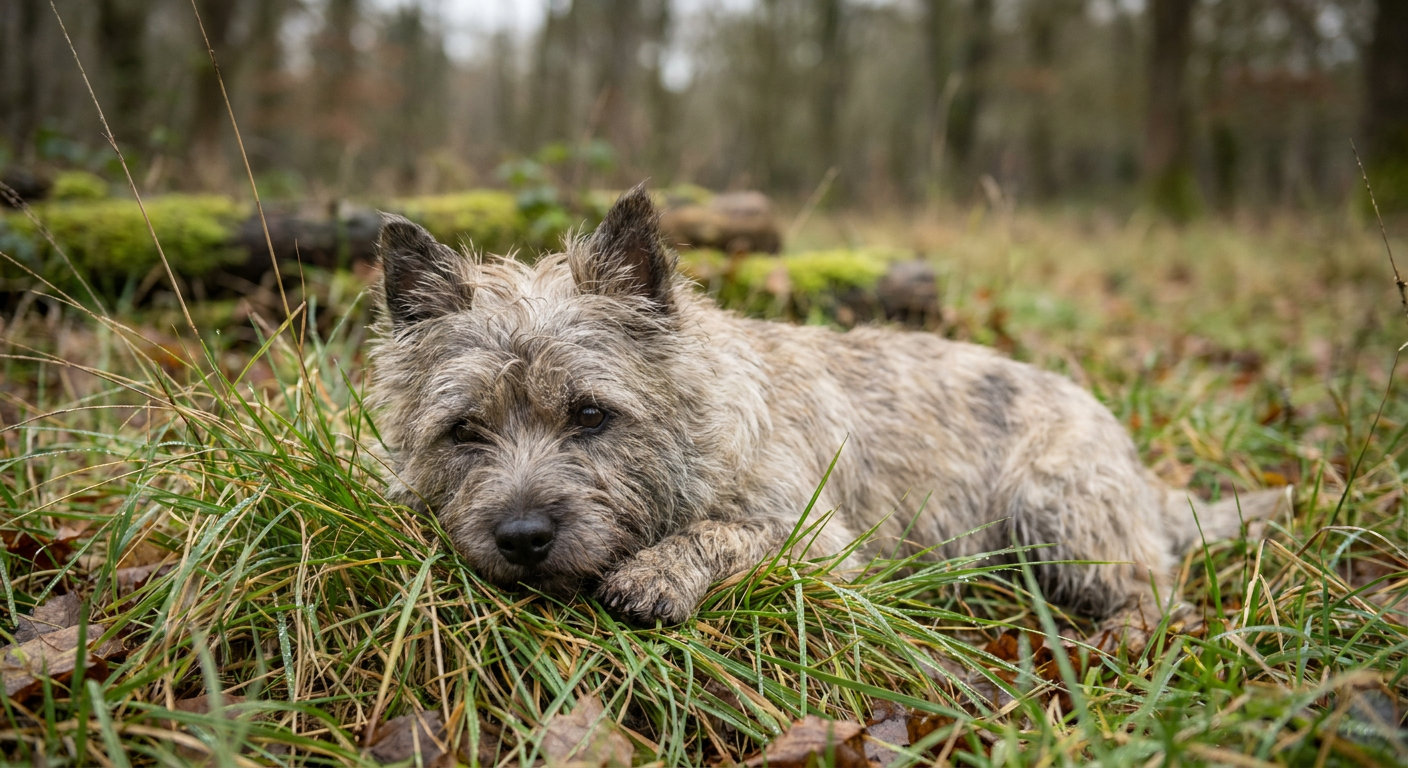
Originating in East Anglia, England, in the late 19th century, these dogs were bred as hardy ratters and fox-bolters. They were once considered a single breed with the Norfolk Terrier until the American Kennel Club officially recognized them as distinct breeds in 1979 based on ear carriage. They were famously popular among Cambridge University students in the late 1800s.
Temperament & Personality
Affectionate, plucky, and more gregarious than the average terrier. They are spirited and courageous hunters but lack the typical terrier 'sharpness,' making them excellent companions. They are highly social and thrive on human interaction, often following owners from room to room.
Health Watchouts
Top conditions reported by AKC parent clubs, OFA, and the Merck Veterinary Manual. Discuss screening with your vet — especially before breeding or insuring.
Upper Airway Syndrome (UAS)
ModerateA breed-specific respiratory issue involving a narrow trachea or redundant soft palate, causing noisy breathing.
Screening: Physical exam and laryngoscopy
Patellar Luxation
CommonThe kneecap slips out of its groove, common in small breeds and can lead to arthritis.
Screening: OFA physical evaluation
Legg-Calvé-Perthes Disease
OccasionalA degenerative hip disease where the femoral head spontaneously dies, leading to lameness.
Screening: Radiographs
Hip Dysplasia
ModerateMalformation of the hip joint that can lead to pain and mobility issues.
Screening: OFA or PennHIP X-rays
Exercise Needs
Despite their size, they are energetic and require at least an hour of daily activity to remain healthy and calm indoors.
- Brisk neighborhood walks.
- Off-leash play in a securely fenced yard.
- Agility or Earthdog trials.
- Short, vigorous fetching sessions.
Nutrition
Daily calories: 350-500 kcal/day
Divide meals into two portions. Norwich Terriers are prone to obesity, which can exacerbate respiratory issues.
Common allergens to watch: Beef, Dairy, Wheat.
⚠ Overweight Norwich Terriers face significantly higher risks for Upper Airway Syndrome complications.
Entertainment & Enrichment
As active terriers, they require mental stimulation to prevent destructive digging or barking behaviors.
- Scent work or hide-and-seek games.
- Earthdog trials or simulated digging pits.
- Interactive puzzle feeders to engage their high prey drive.
- Daily rotation of durable squeaky toys.
Grooming & Coat Care
Weekly brushing is necessary. Hand-stripping twice yearly is required to maintain the harsh wire texture; clipping is discouraged for show dogs but common for pets.
Training
They respond best to positive reinforcement and variety; repetitive drills may cause them to lose interest. Early socialization is critical to manage their prey drive around smaller pets.
Cost of Ownership
Lifetime cost depends on size, lifespan, and health risks. Try our Lifetime Cost Calculator →
Cost band for Norwich Terrier: high.
How insurance, vet care & grooming connect for the Norwich Terrier
These three costs move together. The Norwich Terrier’s coat, energy, and breed-specific health watchouts shape each one — here’s how they line up.
Insurance band
Common hereditary conditions raise claim odds
Vet service load
High activity raises orthopedic & injury visits
Grooming demand
Low-maintenance coat — monthly bath and brush
Estimated monthly spend (typical adult)
Insurance
$85
Routine vet
$60
Grooming
$30
Combined estimate
~$175/mo(±20%, US averages)
* Estimates derived from breed traits (coat, energy, health watchouts, lifespan). Actual costs vary by location, age, and provider.
Living Situation Fit
They adapt well to city apartments or rural farms provided they have a secure fence. Their high prey drive makes a leash mandatory during walks.
Choosing a Puppy
Search for breeders who perform hip and patella evaluations and ask about Upper Airway Syndrome history in their lines. Avoid 'teacup' marketing, as these are naturally small but sturdy dogs.
Frequently Asked Questions
What is the difference between a Norwich and a Norfolk Terrier?
The Norwich Terrier has pricked (upright) ears, while the Norfolk Terrier has dropped (folded) ears. This ear carriage is the primary distinguishing feature.
Do Norwich Terriers bark a lot?
They can be vocal, especially when alerting to strangers or vermin. Consistent training is required to manage nuisance barking.
Do they need professional grooming?
Professional hand-stripping is required every few months to maintain the coat's weather-resistant texture and color; clipping will soften the hair.