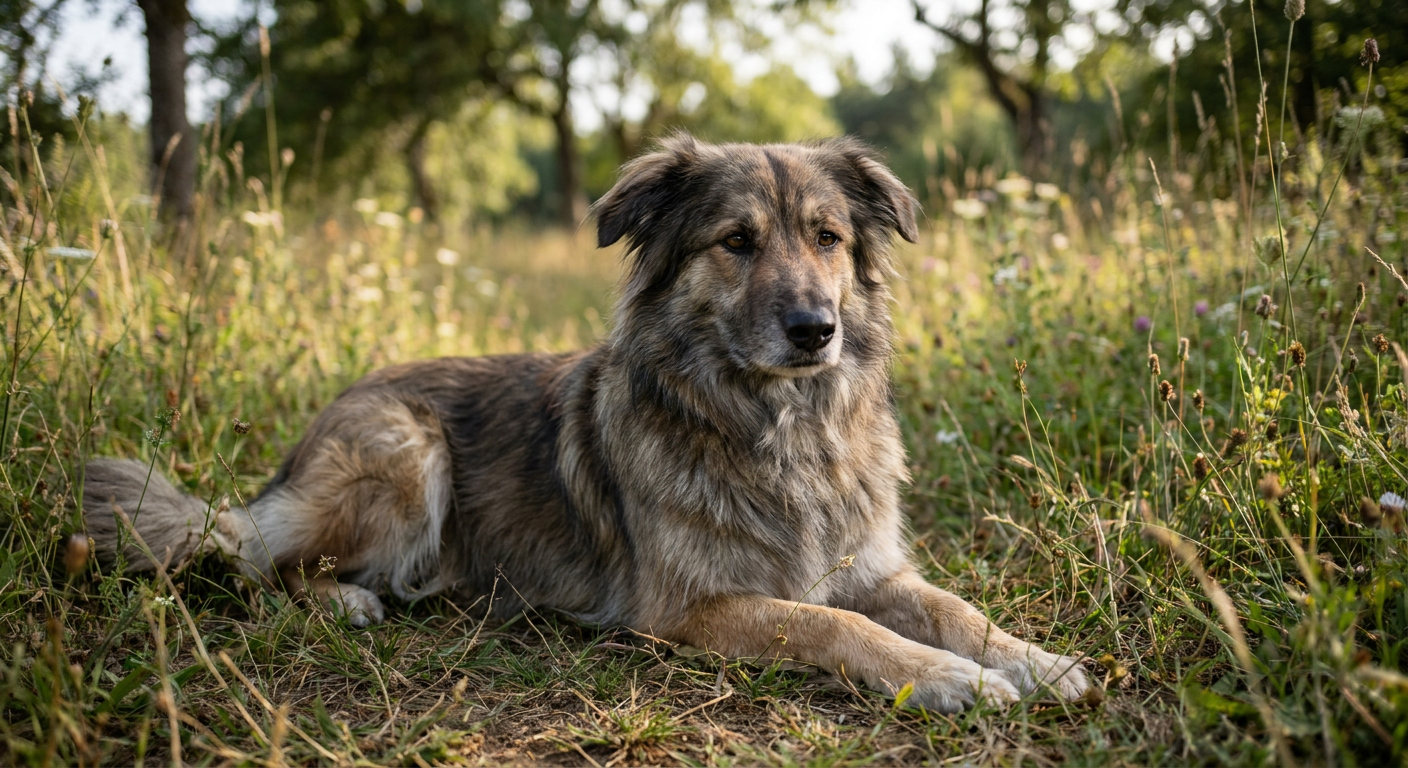
History & Origin
Developed over centuries in the French Pyrenees, these dogs served as versatile livestock herders working alongside the much larger Great Pyrenees. They rose to international prominence during World War I, serving the French military as messengers and search-and-rescue dogs. The breed remained relatively isolated in its mountainous home until the early 20th century.
Temperament & Personality
The Pyrenean Shepherd is exceptionally intelligent, mischievous, and possesses an intense 'driver' personality. They are famously devoted to their owners but tend to be cautious or aloof with strangers, requiring early socialization to prevent fearfulness. Their energy is near-bottomless, and they often display a 'cheeky' sense of humor during training.
Health Watchouts
Top conditions reported by AKC parent clubs, OFA, and the Merck Veterinary Manual. Discuss screening with your vet — especially before breeding or insuring.
Hip Dysplasia
ModerateA genetic malformation of the hip joint that can lead to arthritis and lameness.
Screening: OFA or PennHIP evaluation
Progressive Retinal Atrophy (PRA)
Low to ModerateAn inherited eye condition where the retina gradually deteriorates, leading to eventual blindness.
Screening: CERF/CAER eye exam
Patellar Luxation
OccasionalAn orthopedic condition involving the knee joint where the kneecap slips out of place.
Screening: Physical veterinary examination
Patent Ductus Arteriosus (PDA)
Rare but noted in breedA congenital heart defect involving an abnormal opening between the two major blood vessels leading from the heart.
Screening: Cardiac ultrasound/Echocardiogram
Exercise Needs
This is a high-stamina herder that needs vigorous daily exercise. They are happiest when performing a demanding physical task alongside their owner.
- Off-leash hiking in secure areas
- Bicycle or jogging companionship
- Intensive herding work
- Dog sports like agility and obedience
- Long-distance fetch sessions
- Interactive play with other high-energy dogs
Nutrition
Daily calories: 800-1100 kcal depending on activity level
Due to their high metabolism and active nature, they require high-quality, protein-rich kibble. Avoid overfeeding as excess weight stresses their agile joints.
Common allergens to watch: Beef, Dairy, Wheat.
⚠ Their thick coat can hide weight gain; use a 'rib feel' test regularly.
Entertainment & Enrichment
Mental exhaustion is as critical as physical. This breed requires 'jobs' and high-level training to prevent destructive behaviors born of boredom.
- Agility or flyball training
- Herding trials or instinct tests
- Advanced scent work or nosework
- Complex puzzle feeders for high-intellect engagement
- Hide-and-seek with toys or family members
- High-speed fetch or frisbee sessions
Grooming & Coat Care
Weekly brushing is usually sufficient to prevent mats, though the 'cadenette' cords in Rough-Faced varieties require specialized manual separation. Bathe only when necessary.
Training
Training must be firm, consistent, and reward-based. They learn incredibly fast but will invent their own 'rules' if bored. Early and continuous socialization is vital to manage their natural shyness toward strangers.
Cost of Ownership
Lifetime cost depends on size, lifespan, and health risks. Try our Lifetime Cost Calculator →
Cost band for Pyrenean Shepherd: medium.
How insurance, vet care & grooming connect for the Pyrenean Shepherd
These three costs move together. The Pyrenean Shepherd’s coat, energy, and breed-specific health watchouts shape each one — here’s how they line up.
Insurance band
Multiple breed-specific health watchouts
Vet service load
High activity raises orthopedic & injury visits
Grooming demand
Long coat tangles without weekly grooming
Estimated monthly spend (typical adult)
Insurance
$60
Routine vet
$50
Grooming
$60
Combined estimate
~$170/mo(±20%, US averages)
* Estimates derived from breed traits (coat, energy, health watchouts, lifespan). Actual costs vary by location, age, and provider.
Living Situation Fit
A large, fenced yard is essential; they are not suitable for sedentary apartment living. They thrive in rural or suburban environments where they can engage in outdoor activities daily.
Choosing a Puppy
Prospective owners should demand proof of hip and eye clearances from both parents and ensure the breeder socializes puppies extensively before 8 weeks. Look for a breeder who assesses temperament and avoids overly shy or fearful breeding stock.
Frequently Asked Questions
What is the difference between Rough-Faced and Smooth-Faced?
The Smooth-Faced variety has shorter hair on the face and a slightly longer body/shorter coat, whereas the Rough-Faced has long hair on the face and can develop cords or 'cadenettes' on the body.
Are they good with children?
While they can be affectionate with their own children, they are naturally wary of strangers and have a high-intensity herding drive that may lead to nipping at heels if not managed.
Is this a good breed for a first-time dog owner?
No. Without significant work, they become anxious and destructive. They are recommended for active owners who understand herding temperaments.