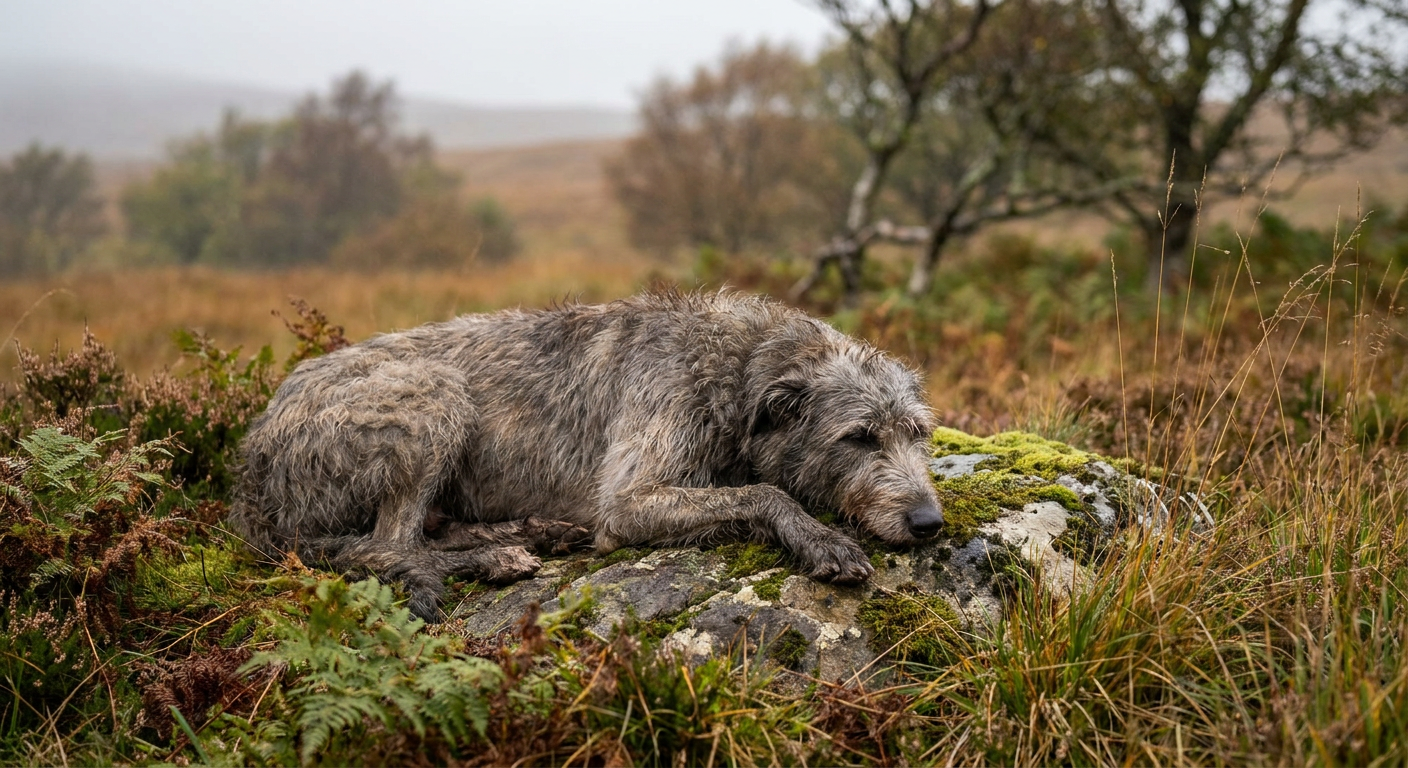
History & Origin
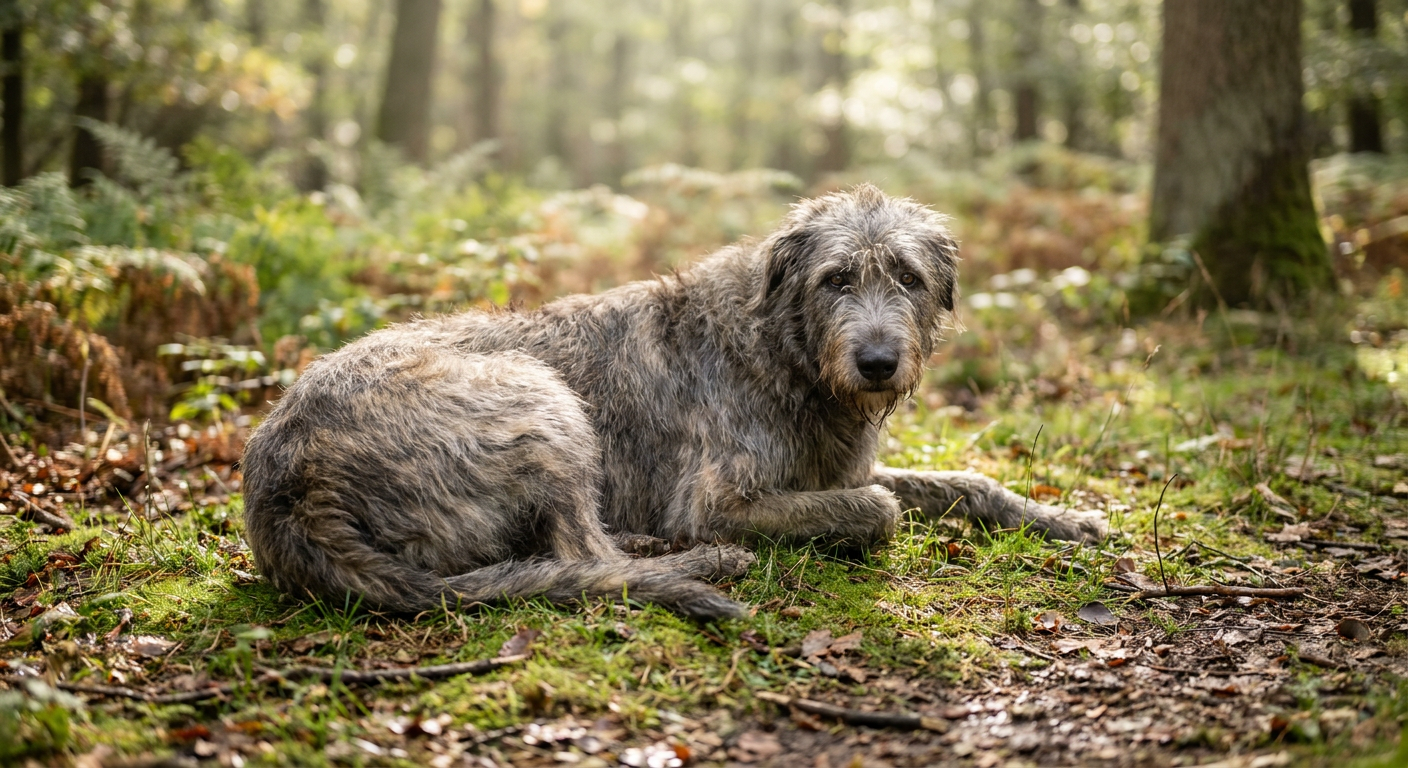
Tracing back several centuries, this breed was developed in the Scottish Highlands to hunt Red Deer. By the 1700s, ownership was restricted by social rank, nearly causing extinction when the clan system collapsed. The breed was revived in the early 1800s by Archibald and Duncan M'Neill.
Temperament & Personality
Possessing a 'quiet dignity,' they are exceptionally gentle, friendly, and polite companions. They are sensitive and devoted to their owners, though they can be independent and stubborn regarding commands. Unlike many hounds, they are typically relaxed indoors but become intensely focused when a chase is possible.
Health Watchouts
Top conditions reported by AKC parent clubs, OFA, and the Merck Veterinary Manual. Discuss screening with your vet — especially before breeding or insuring.
Gastric Dilatation-Volvulus (GDV)
HighA life-threatening twisting of the stomach common in deep-chested breeds.
Screening: Gastropexy (preventative surgery) recommended
Factor VII Deficiency
CommonA genetic blood clotting disorder that can lead to excessive bleeding after surgery or trauma.
Screening: DNA Test
Dilated Cardiomyopathy (DCM)
ModerateA condition where the heart becomes enlarged and cannot pump blood effectively.
Screening: Annual Echocardiogram
Osteosarcoma
ModerateA severe bone cancer that occurs more frequently in giant breeds.
Screening: Physical exam/Radiographs
Exercise Needs
While calm indoors, they require daily opportunities to gallop in a safely enclosed area. They are sprinters, not endurance runners.
- Off-leash sprints in fenced areas
- Leashed brisk walking
- Lure coursing trials
- Hiking on soft terrain
Nutrition
Daily calories: 2200-2800 kcal/day
Feed two or more smaller meals daily rather than one large one to help mitigate bloat risk. Keep exercise restricted for one hour before and after feeding.
Common allergens to watch: Beef, Dairy, Wheat.
⚠ Excess weight is extremely taxing on their joints and cardiovascular system; ribs should be easily felt but not protruding sharply.
Entertainment & Enrichment
Mental stimulation should focus on their high prey drive and need for short bursts of intense speed followed by long periods of rest.
- Lure coursing or simulated hunts
- Large, secure fields for sprinting
- Deep-cushion bedding for joint support
- Nose work games
Grooming & Coat Care
Brush once or twice a week to remove dead hair; occasional hand-stripping may be required to maintain the harsh texture of the coat.
Training
Use positive reinforcement and keep sessions short to counter their independent nature. Recall training is essential but should not be relied upon in unfenced areas due to their instinct to chase moving objects.
Cost of Ownership
Lifetime cost depends on size, lifespan, and health risks. Try our Lifetime Cost Calculator →
Cost band for Scottish Deerhound: high.
How insurance, vet care & grooming connect for the Scottish Deerhound
These three costs move together. The Scottish Deerhound’s coat, energy, and breed-specific health watchouts shape each one — here’s how they line up.
Insurance band
Brachycephalic or giant-breed risk profile
Vet service load
High activity raises orthopedic & injury visits
Grooming demand
Long coat tangles without weekly grooming
Estimated monthly spend (typical adult)
Insurance
$85
Routine vet
$60
Grooming
$60
Combined estimate
~$205/mo(±20%, US averages)
* Estimates derived from breed traits (coat, energy, health watchouts, lifespan). Actual costs vary by location, age, and provider.
Living Situation Fit
They require a large, securely fenced yard; a standard fence may not deter a determined hound. Inside, they are 'couch potatoes' but need oversized bedding to accommodate their large frames.
Choosing a Puppy
Look for breeders who perform echocardiograms on breeding stock and provide results of Factor VII deficiency DNA testing. Ensure puppies are raised in a home environment to encourage early socialization.
Frequently Asked Questions
Are they good with cats?
While very gentle with their own families, their high prey drive makes them potentially dangerous to neighborhood cats or small pets if they flee.
What is their 'royal' connection?
They are famously referred to as the 'Royal Dog of Scotland' and were once reserved exclusively for the nobility (ranks of Earl or higher).
Are they prone to bloat?
Like many large, deep-chested breeds, they are at high risk for Gastric Dilatation-Volvulus (GDV), or bloat, which is a life-threatening emergency.