The claim is partially supported but not precisely accurate. According to a literature review cited in the Merck Veterinary Manual, food allergies account for 3–6% of cats with any form of dermatitis (a key component of allergic skin disease), not 10–15%[1]. Prevalence rises to 12–21% in cats with pruritus (itching, the primary sign of allergic skin disease), which overlaps with but does not equate to the full scope of allergic skin disease[1]. The only reliable diagnostic method remains an 8–12 week elimination diet trial using a novel protein or hydrolyzed diet. No authoritative statement from the American College of Veterinary Dermatology (ACVD) is available in current sources confirming that blood and saliva allergy tests have low sensitivity and specificity for diagnosing food allergies[1][2]. Veterinary literature notes inconsistent results and lack of consensus on reliability for serologic IgE blood tests (SAT) in canine atopic dermatitis, with no specific sensitivity/specificity values or mention of saliva tests provided[1]. Patch tests for food allergens are described as controversial, but ACVD guidelines are absent[1][2].
What Are the Signs of Food Sensitivities in Cats?
- Skin symptoms — Itching (especially head and neck), hair loss, scabs, over-grooming
- GI symptoms — Chronic vomiting, diarrhea, flatulence, soft stools
- Ear infections — Recurring otitis, especially when environmental causes are ruled out
- Non-seasonal symptoms — Year-round issues suggest food rather than environmental allergies
How Does an Elimination Diet Work?
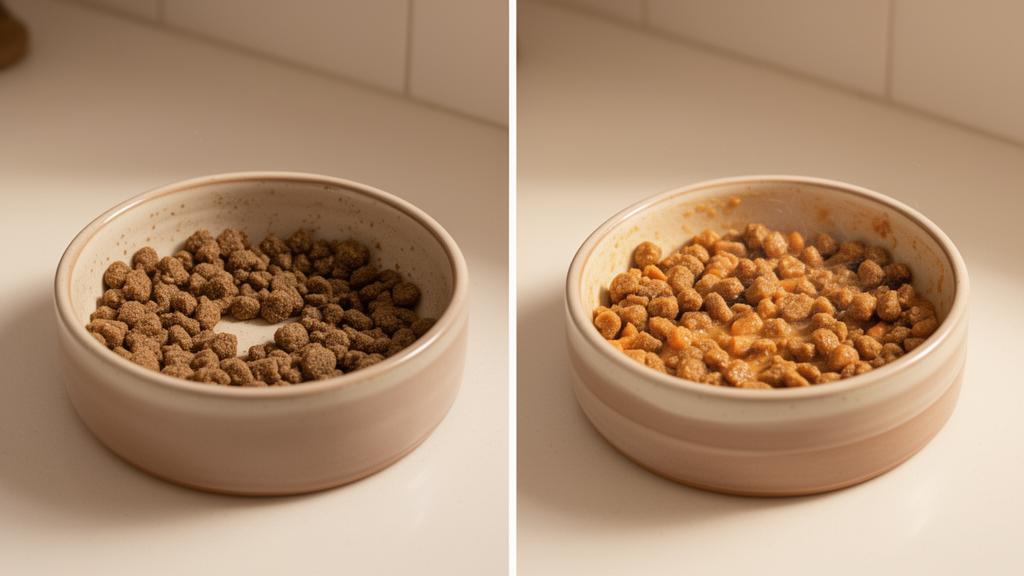
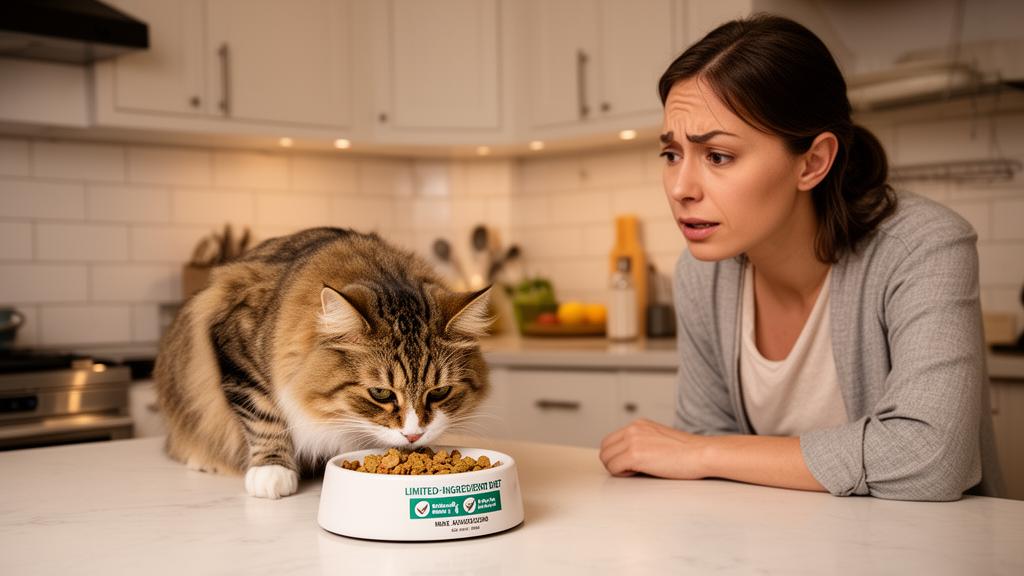
An elimination diet uses a single novel protein (one your cat has never eaten before) or a hydrolyzed diet for 8–12 weeks. During this period, the cat eats nothing else — no treats, table scraps, or flavored medications. If symptoms improve, individual proteins are reintroduced one at a time to identify the specific trigger.
What Are Common Novel Proteins for Cats?
- Venison — Rarely used in commercial cat food
- Rabbit — Highly digestible and uncommon in most diets
- Duck — Less common protein source for cats
- Kangaroo — Available in some specialty diets
Related Guides
- What Are Natural Cat Foods?
- How to Transition Cat Food Safely
- Probiotics for Cats
- AAFCO Guidelines Explained
References
- Merck Veterinary Manual — Cutaneous Food Allergy in Animals.
- PMC12133834 — Diagnostic testing in canine and feline allergic disease (literature review).