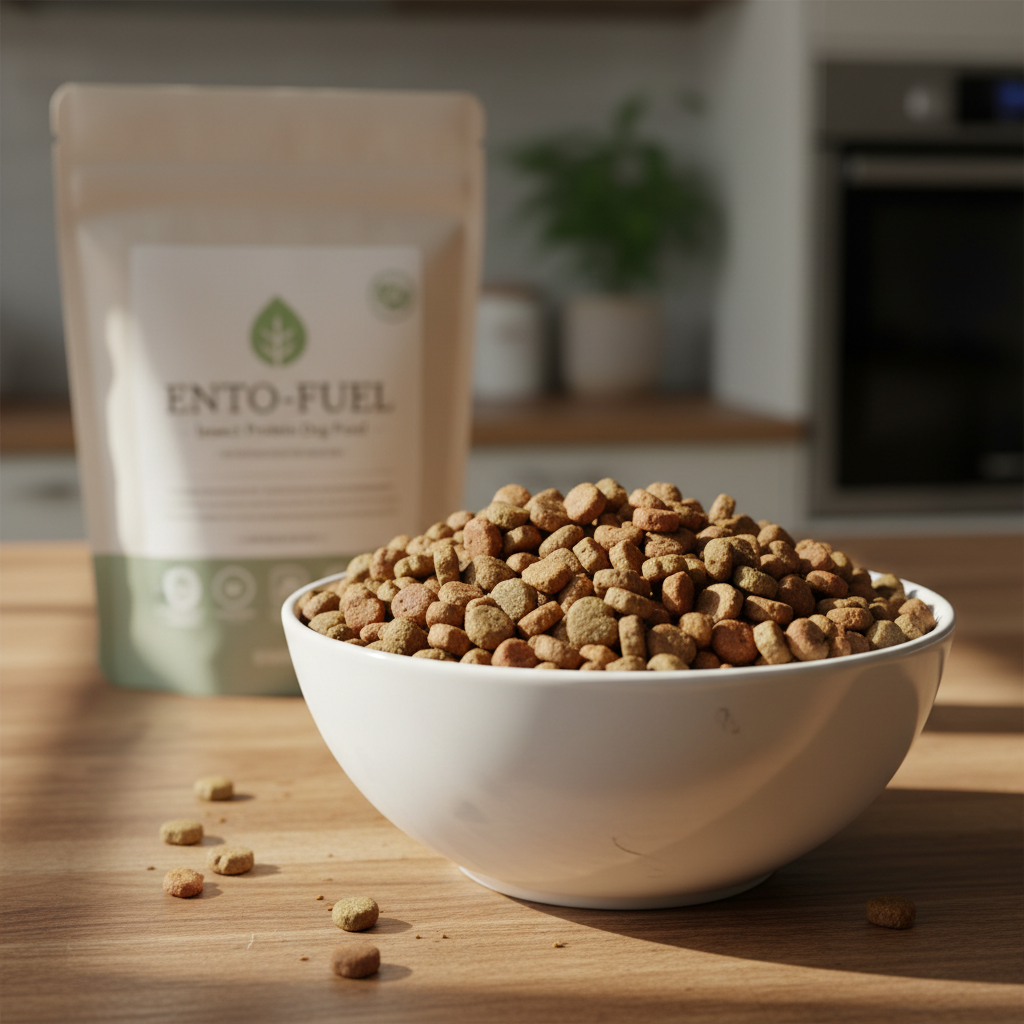

The two biggest dog-care decisions you'll ever make happen before the food bowl: choosing a dog whose energy and lifespan match your household, and committing to a complete-and-balanced diet with an AAFCO statement. Get those right and most other "controversies" — wet vs dry, kibble vs fresh, supplements — become small dials, not life-or-death choices. The peer-reviewed evidence for raw diets remains weak, the safety concerns are real, and the supplement industry is wildly under-regulated.
Choosing the Right Dog: Fit, Not Aesthetics
AVMA selection guidance is unsentimental: pick a dog that matches your schedule, space, budget, and physical ability for the next 10–15 years. A high-drive working breed in a small apartment with a 12-hour workday is a behavior problem waiting to happen. A brachycephalic (flat-faced) breed in a hot climate is a heat-stroke risk. The Dog Aging Project's longitudinal data continues to show that mismatch between dog and lifestyle predicts shorter healthspan and earlier behavioral surrender.
- Energy: Be honest about how much daily exercise you'll really do — not aspirationally.
- Size & space: Adult size predicts joint stress, food cost, and home wear.
- Grooming: Long double coats and curly coats cost real money and time.
- Health predispositions: Brachycephalic breeds, giant breeds, and some lines have known issues — research before you commit.
- Source: Reputable shelters/rescues, breed-specific rescues, and ethical breeders all work; avoid pet stores and unregistered online sellers.
Reading an AAFCO Label (the Only Label That Matters)
The Association of American Feed Control Officials (AAFCO) sets U.S. nutrient profiles for cat and dog foods. The nutritional adequacy statement on the bag tells you everything you need:
| What you'll see | What it means |
|---|---|
| "Complete and balanced for growth" / "all life stages" | Safe for puppies and adults; check large-breed growth caveat below for big puppies |
| "Adult maintenance" | Adult dogs only — not safe as a sole diet for puppies |
| "Including the growth of large-size dogs (70 lb or more as an adult)" | Required for puppies expected to reach ≥70 lb; controls calcium for joint development |
| "For supplemental or intermittent feeding only" | Not nutritionally complete — fine as a topper, dangerous as a sole diet |
| No AAFCO statement at all | Walk away. Treats are exempt; full meals are not. |
Two ways products meet the AAFCO standard: formulation (math against the nutrient profile) or feeding trials (a controlled feeding study). Trials are stronger evidence — many premium and prescription brands use them. WSAVA's nutrition tools recommend asking the manufacturer who formulates the diet, what their qualifications are (board-certified veterinary nutritionist is the gold standard), and whether they own and quality-control their plants.
Wet vs Dry vs Fresh vs Raw: What the Evidence Says
| Format | Strengths | Trade-offs |
|---|---|---|
| Dry (kibble) | Affordable, shelf-stable, easy portioning, supports some dental work | Lower moisture; quality varies wildly between brands |
| Wet (canned) | Hydration, palatability, useful for picky or senior dogs | Cost per calorie is higher; opened cans need refrigeration |
| Fresh / gently cooked | Higher digestibility in recent peer-reviewed studies; fewer ingredients | More expensive; requires cold storage; verify AAFCO statement |
| Raw | Owner-perceived benefits; some palatability advantages | FDA, AVMA, CDC, and AAHA all warn about Salmonella, Listeria, E. coli, and antibiotic-resistant pathogen shedding into the household |
The AVMA explicitly discourages feeding any animal-source protein that hasn't been cooked or pasteurized to kill pathogens, particularly in households with children, elderly people, pregnant people, or anyone immunocompromised. If you choose raw despite this, freezing alone is not a kill step.
For deeper nutrition coverage, see our guides on how to choose dog food, switching dog food safely, and limited-ingredient diets.
Supplements: What's Worth It in 2026
The U.S. supplement market for pets is large and lightly regulated. The two categories with the strongest peer-reviewed evidence remain:
- Omega-3 fatty acids (EPA/DHA from marine sources): Supportive evidence for skin/coat, joint inflammation, and possibly cognitive aging.
- Joint support (glucosamine/chondroitin, sometimes with green-lipped mussel or undenatured collagen): Modest but consistent benefit signals in arthritic dogs.
Most other supplements — multivitamins for dogs already eating complete-and-balanced food, "detox" products, immune boosters, and most CBD claims — lack the data to recommend routinely. Always check with your veterinarian before adding anything; supplements can interact with medications and tip over a balanced diet.
Three Common Mistakes
- Picking by looks. Brachycephalic and giant breeds are real welfare commitments — research before falling in love with a face.
- Ignoring the AAFCO statement. If you wouldn't buy infant formula without a nutrition label, don't do it for a 12-year commitment.
- Free-feeding without weighing food. The single biggest preventable health problem in U.S. dogs is being overweight — see our weight management guide.
Frequently Asked Questions
Sources
AAFCO 2026 nutrient profiles · AVMA selection and raw-diet guidance · WSAVA Global Nutrition Guidelines and Nutrition Toolkit · FDA Center for Veterinary Medicine raw pet-food statements · AAHA nutrition resources · ACVN (American College of Veterinary Nutrition) consensus statements · Dog Aging Project · Cornell Riney Canine Health Center.