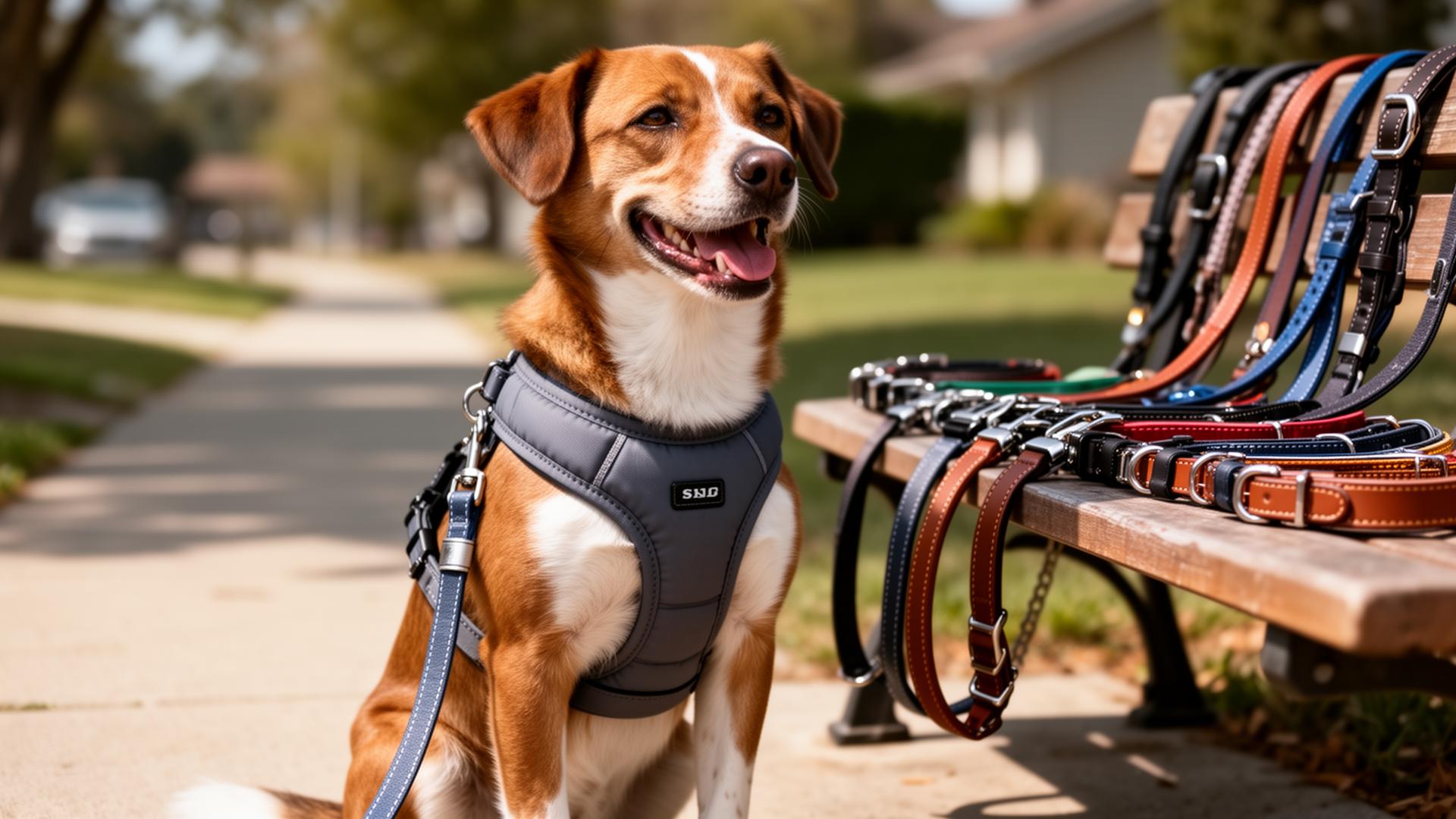

Senior dog care in 2026 means starting earlier than most owners do, screening proactively (twice-yearly exams plus a senior minimum database), treating pain and cognitive change as serious medical issues, and using technology as an early-warning system — not a vet substitute. The best pet-tech products earn their keep on specific dogs and households; none replaces an in-person veterinarian or a microchip.
When Senior Care Starts
Life-stage definitions vary by size: giant breeds become senior around 7, large breeds around 8, small/medium dogs around 9–10. The Dog Aging Project's longitudinal cohort data continues to confirm what AAHA has long recommended — proactive screening before symptoms is what extends healthspan, not just lifespan.
| Body system | What changes with age | What to watch for |
|---|---|---|
| Joints / muscle | Osteoarthritis is common after 8 | Reluctance to jump, slowing on stairs, stiffness after rest |
| Kidneys | Reduced filtration over time | Increased drinking and urination, weight loss |
| Heart | Valve disease in small breeds; DCM concerns in some lines | Cough, exercise intolerance, fainting |
| Brain | Canine cognitive dysfunction | Disorientation, sleep-cycle changes, house-soiling, altered interactions |
| Mass / lumps | Cancer risk increases with age | Any new, growing, or changing lump deserves a fine-needle aspirate |
For deeper coverage, see our pages on senior pet care, early aging signs, mobility in older pets, and cognitive decline.
The Senior Wellness Checklist
- Twice-yearly physical exam minimum.
- Annual CBC, chemistry, urinalysis, T4 — more often if disease is found.
- Blood pressure measured at least annually.
- Pain assessment at every visit (behavior is often the first sign of arthritis).
- Weight & body-condition score tracked at home; aim for BCS 4–5/9.
- Dental cleaning under anesthesia per your vet's plan.
- Cognitive screening questionnaire (e.g., CADES) if behavior changes.
The 2026 Pet-Tech Landscape
The pet-tech market has matured from gimmicks to a few categories worth considering. Below is a head-to-head of the most-asked-about products in 2026 — informational only, no affiliation.
| Product | Category | Best for | Honest caveat |
|---|---|---|---|
| Fi Series 3 | GPS + activity collar | Escape artists, off-leash hikers, owners who want activity trends | Subscription required; coverage depends on cell signal |
| Tractive GPS | GPS + activity tracker | European/global coverage; smaller dogs | Subscription; relies on owner phone for live mode |
| PetPace | Health-monitoring collar (HR, respiration, temp, activity) | Senior or chronically ill dogs with vet-supported monitoring | Higher cost; most useful with a clinician interpreting the data |
| Halo Collar | Wireless GPS fence with feedback | Rural property owners; supplementing fencing | Uses tone, vibration, and static feedback; AVSAB-aligned trainers prefer non-aversive options first |
| Petcube Bites / Cam | Home camera + treat dispenser | Daytime check-ins, separation-anxiety reassurance for owners | Camera doesn't fix true separation anxiety — see a behaviorist |
| Furbo 360 | Treat-tossing camera with bark alerts | Dogs that tolerate intermittent treats well | Bark-alert reinforcement can backfire — use thoughtfully |
| Whistle Health | Activity, sleep, scratching/licking trends | Dogs with chronic skin or behavioral issues to track | Subscription; LTE coverage matters for GPS features |
Disclosure: external product links are provided for reference only and use rel="nofollow sponsored" per our editorial policy.
Telemedicine: Where It Works in 2026
Tele-triage and tele-advice have a clear role: behavior questions, post-op follow-ups, "is this an emergency?" check-ins, and quality-of-life conversations for senior dogs. State law still governs tele-prescribing, and most U.S. states require an in-person Veterinarian-Client-Patient Relationship (VCPR) before a vet can prescribe medication. Use tele-vet as a triage layer in front of (not instead of) your in-person clinic.
Three Common Mistakes
- Waiting for symptoms before screening senior dogs. Annual labs frequently catch early kidney, liver, and thyroid disease while they're still manageable.
- Assuming a smart collar replaces a microchip. Trackers fail and collars come off. A microchip is permanent identification.
- Treating cognitive dysfunction as "just being old." There are diet, supplement, and pharmaceutical options that genuinely help — talk to your vet.
Frequently Asked Questions
Sources
AAHA Senior Care Guidelines for Dogs and Cats · Dog Aging Project published findings · ACVIM consensus statements on chronic kidney disease and heart disease · WSAVA pain assessment tools · AVMA telemedicine and VCPR policy · ASPCA Animal Poison Control · manufacturer technical specs for Fi, Tractive, PetPace, Halo, Petcube, Furbo, and Whistle products.